
 |




| Quantity: | |
|---|---|


1200mm x 1200mm x750mm
ZHONGJING FURNITURE
| Specification | Details |
|---|---|
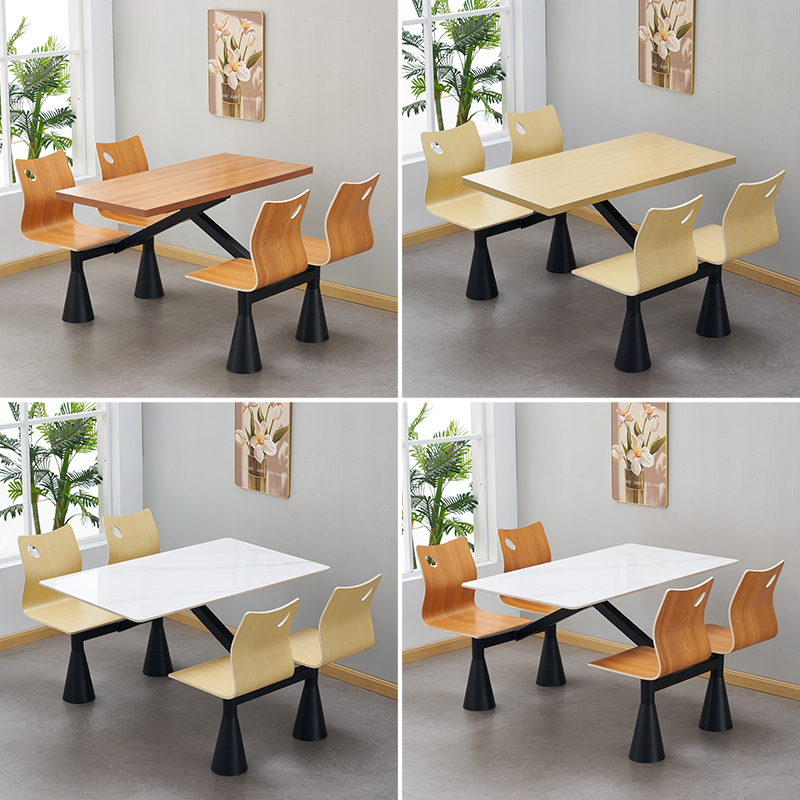
| Product Name | 4-Seat Connected Cafeteria Table and Chair Set |
| Brand | ZHONGJING FURNITURE |
| Product Category | Commercial Cafeteria Table Set |
| Seating Capacity | 4 Persons |
| Reference Overall Dimensions | 1200 × 1200 × 750 mm — subject to final drawing confirmation |
| Frame Material | Steel |
| Frame Finish | Electrostatic powder coating |
| Tabletop Options | HPL-faced panels or stainless steel, subject to confirmation |
| Seat Material Options | Molded plastic or selected rigid panel materials |
| Frame Color Options | Black, gray, white and custom finishes, subject to confirmation |
| Seat Dimensions | Based on approved technical drawings |
| Installation Options | Freestanding or anchored configuration, subject to structural and site review |
| Customization | Dimensions, materials, colors and selected design details |
| Applications | Schools, universities, corporate cafeterias, hospital dining areas |
| Order Type | Wholesale / Institutional Project Supply |
| MOQ | Confirm with project quotation |
| Packaging | According to approved packing specifications |
| Lead Time | Confirmed after order and customization review |
Note: Final dimensions, material grades, installation requirements and finish options should be confirmed through the approved quotation, samples and technical drawings.
The connected structure combines four seating positions and one tabletop into a single furniture unit. Unlike separate chairs that can be moved around a dining room, the attached seats maintain consistent positions relative to the table.
This arrangement can simplify furniture planning in cafeterias where seating layouts are expected to remain stable during daily operations.
For school and workplace dining facilities, repeatable furniture dimensions can help designers organize seating rows and dining zones while considering circulation and access requirements.
The actual number of units that fit into a room depends on the available floor area, required aisles and accessibility provisions. A detailed layout should be reviewed before confirming the seating capacity.
The table and seating components are supported by a shared steel framework.
This integrated arrangement provides a common structural base for the four seats and the tabletop, reducing the need to manage separate chair frames.
The metal components are specified with an electrostatic powder-coated finish, which provides a consistent appearance and allows different color options to be considered.
For institutional procurement, the final specification should identify the steel dimensions, connection details, surface treatment and applicable performance requirements.
Frame stability and load capacity depend on the completed construction and should be verified using appropriate technical documentation when required by the project.
In busy cafeterias, staff may need to prepare the dining area several times throughout the day.
With connected seats, the relative positions of the table and chairs remain consistent. Staff do not need to return four separate chairs to their original positions after every meal.
This can be useful for facilities that prioritize an organized seating layout.
However, cleaning convenience also depends on floor clearance, frame design and access to surfaces beneath the seating unit.
When evaluating the product, facility managers should consider how cleaning equipment will reach the floor and whether the selected tabletop and seat materials are compatible with routine cleaning products.
Rounded furniture corners and carefully finished edges can help reduce exposed sharp contact points during daily use.
For installations that require fixed positioning, suitable anchoring arrangements may be considered after reviewing the floor structure and project requirements.
A connected seating unit should not automatically be regarded as compliant with all fire-safety or accessibility regulations.
The complete dining layout must account for local building requirements, circulation routes, accessible dining positions and the needs of the intended users.
Schools and other institutional facilities should confirm the appropriate seat dimensions and table height for their user groups before approving production.
Different cafeteria environments require different furniture materials.
HPL Tabletop Surfaces
HPL-faced panels may be specified for projects seeking decorative finishes and practical routine cleaning.
Buyers should confirm the laminate grade, supporting panel, edge construction and relevant technical requirements. Any particular fire-performance classification must be supported by the applicable test documentation.
Stainless Steel Tabletops
Stainless steel can be considered for dining areas where moisture management and regular cleaning are important.
The selected grade, thickness and finish should be matched to the project's cleaning procedures and environmental conditions.
Molded Plastic Seats
Molded plastic seating options may offer smooth surfaces and a range of available colors, depending on the approved product configuration.
Rigid Panel Seats
Selected rigid panel materials may also be considered where the project requires a particular appearance, finish or construction.
Final material selection should balance the intended usage, cleaning requirements, visual design and purchasing budget.
The connected four-seat design can be considered for several institutional dining environments.
School Cafeterias
A consistent seating arrangement may help schools organize dining areas for scheduled lunch periods. Table and seat dimensions should be selected according to the intended student age group.
University Dining Halls
Connected table sets may be used in designated dining zones where repeatable layouts are preferred. Additional seating types can be incorporated where more flexibility is required.
Corporate Dining Facilities
Workplace cafeterias often require practical seating for scheduled breaks and daily employee meals. Connected sets can form part of an organized furniture layout.
Hospital Canteens
Institutional dining facilities may consider connected furniture for appropriate areas, while ensuring that accessible alternatives and circulation requirements are addressed.
Community Dining Areas
The design may also suit other indoor shared dining environments where a stable seating arrangement is preferred.
Zhongjing Furniture supplies a broader range of commercial dining furniture for institutional and hospitality projects.
Zhongjing Furniture can review customization requirements for qualifying commercial orders.
Depending on technical feasibility, project options may include:
Adjusted overall dimensions
Alternative tabletop materials
Selected seat materials and colors
Powder-coated metal frame finishes
Project-specific material combinations
Branding details where suitable
Furniture layout coordination
For projects involving several dining locations, confirming one approved configuration can help maintain consistency across subsequent orders.
Buyers should provide the required quantity, layout drawings, material specifications and preferred finishes before requesting a final quotation.
Any custom engineering, testing, samples or installation requirements should be confirmed before production.
Regular cleaning and inspection help maintain the appearance and usability of cafeteria furniture.
Tabletop Cleaning
Use a soft cloth with a suitable mild cleaning solution. Follow the selected surface manufacturer's instructions and remove excess moisture after cleaning.
Metal Frame Maintenance
Wipe the coated frame with a soft cloth. Avoid abrasive cleaning tools that may damage the surface finish.
Seat Cleaning
Use cleaning products compatible with the selected seat material. Follow the material supplier's guidance where disinfectants are required.
Routine Inspection
Check exposed connections, attachment points and floor fixings, where applicable. Any damaged or loose components should be addressed before the unit is returned to service.
Packaging requirements depend on the approved configuration, installation method and destination.
Before shipment, the order documents should identify the number of sets, packaging dimensions, gross weight and relevant handling requirements.
For international projects, available shipping terms and destination arrangements should be confirmed in the commercial quotation.
Buyers should also establish whether the selected configuration is delivered assembled or requires installation on site.
Where floor anchoring is specified, installation should follow the approved technical drawings and site requirements.
Zhongjing Furniture focuses on commercial dining furniture manufacturing and project supply.
The company supports product selection, material confirmation, customization discussions, production coordination and export packing for commercial dining projects.
For restaurant chains, schools, corporate dining operators and institutional buyers, clear technical specifications are essential to effective procurement.
Zhongjing Furniture works to help buyers match furniture materials and configurations to their operating requirements and available budgets.
As a China-based commercial restaurant furniture manufacturer, the company also provides dining chairs, restaurant tables, booth seating and related products for different dining environments.
The purchasing objective is to achieve practical value through appropriate materials, clear specifications and dependable project coordination rather than selecting furniture by unit price alone.
For projects requiring a mixture of connected and independent seating, Zhongjing Furniture offers additional restaurant furniture, including dining chairs, commercial tables, booth seating and complementary items.
These categories can be combined according to the intended dining layout, accessibility needs, interior design and operating requirements.
For product information and quotations:
ZHONGJING FURNITURE
Website: https://www.omzj.com/
Email: felix@nazj.com
MADE IN CHINA · ZHONGJING FURNITURE


