
Views: 0 Author: Zhongjing® Furniture Publish Time: 2025-11-13 Origin: Zhongjing® Furniture


When you’re running a restaurant in the United States, you think about food quality, service, and ambiance every day. But there’s another factor that quietly determines whether your business is truly secure: fire safety—including the safety performance of your restaurant furniture.
A dining room is full of potential fire risks:
Open flames from kitchens, candles, or tabletop heaters
Electrical appliances and lighting
Flammable décor, menus, and textiles
High guest traffic during peak hours
A single spark can quickly become a disaster, causing severe property damage and, more importantly, threatening lives. Fire-resistant restaurant tables and chairs and booth seating are a key part of building a safer space.
In the U.S., restaurant fire safety is not just “best practice”—it’s written into law.
The National Fire Protection Association (NFPA) publishes widely used fire safety codes, including:
NFPA 901 – Reference standard related to fire safety and property protection
NFPA 101 – Life Safety Code – Covers building egress, interior finishes, furnishings, and other factors that affect occupant safety
The materials used for fire resistant restaurant furniture—from table tops to booth upholstery—can influence whether your restaurant passes inspections and keeps people safe in an emergency.
On top of national codes, states and cities often have additional regulations or stricter interpretations, such as:
Higher flame-spread rating requirements in certain occupancies
Specific rules for upholstery, foam and fabrics
Stricter inspection criteria for high-occupancy venues
Before you renovate or purchase new restaurant tables and chairs, always confirm requirements with your local fire marshal or authority having jurisdiction (AHJ).

A restaurant table may look simple, but its materials and construction play a big role in fire performance.
Fire-rated laminate is a star material for fire resistant restaurant furniture:
Manufactured with resin-impregnated papers under high heat and pressure
Offers enhanced flame resistance and reduced smoke generation
Highly scratch-resistant, easy to clean and maintain
Available in a wide range of colors and woodgrain patterns
This makes it ideal for busy dining rooms, fast-casual chains and hotel restaurants.
Solid wood tables (such as oak, beech, or rubberwood) are loved for their natural look and feel. They can still be used if:
Treated with approved fire retardant coatings or impregnating agents
Backed by testing reports showing improved fire performance
However, even with treatment, solid wood typically won’t match the fire resistance of dedicated fire-rated laminates. Choose reputable suppliers and insist on documentation.
Metal-based tables (stainless steel, powder-coated steel, aluminum) naturally resist burning and are extremely durable. They’re common in:
Modern and industrial-style interiors
High-traffic or outdoor dining areas
Composite tops with fire-rated cores or specially engineered surfaces can also offer a blend of modern aesthetics and higher fire performance.
Materials are only part of the story—design details also matter.
In an emergency evacuation, sharp corners can cause injuries or snag clothing. Rounded corners and smooth edge treatments:
Reduce the risk of impact injuries
Improve traffic flow through tight dining aisles
Visually soften the overall look of the room
A wobbly table is a daily nuisance and a potential hazard in a panic situation. Look for:
Strong bases with a low center of gravity
Secure fasteners and robust construction
Surfaces that withstand frequent cleaning and disinfecting
Long-term stability supports both safety and guest satisfaction.
Booth seating is beloved in American restaurants for privacy, comfort and space efficiency. But booths also occupy large wall areas and can strongly influence fire behavior and egress routes. That’s why fire rated booth seating for restaurants must be chosen carefully.
Common fire-retardant textiles include treated polyester and other commercial-grade fabrics. When selecting fabric, check for:
Compliance with standards such as California TB 117-2013 or NFPA-related tests
Clear labeling or documentation of fire-retardant performance
A balance of hand-feel, appearance, and durability
Modern fire-retardant fabrics can look and feel as soft and stylish as standard upholstery.
Vinyl (PVC) is widely used for booth seating because it is:
Easy to wipe clean
Highly durable
Available in many colors and textures
Commercial-grade vinyl often has enhanced fire resistance suitable for restaurant environments.
Natural leather is not inherently as fire-resistant as some engineered materials, but treated leathers can meet certain fire standards. Always confirm with your supplier and review test reports.
Foam and padding are critical but often overlooked. Poor-quality foam can ignite quickly and produce large amounts of toxic smoke. To improve safety:
Specify fire-retardant foam that meets relevant standards
Confirm test data for ignition, flame spread and smoke development
Avoid unknown or unverified fillers in high-occupancy settings
Booths must withstand years of constant use without loosening or collapsing. Look for:
Strong internal framing (wood or metal)
Easy-to-clean surfaces to prevent grease and dust buildup
Accessible construction that allows for maintenance and inspection
Grease and dust deposits can increase fire load—regular cleaning is part of fire safety.
Booth layout directly affects evacuation routes:
Maintain code-compliant aisle widths between tables, booths and walls
Ensure clear paths to exits and emergency doors
Avoid creating dead-end pockets where guests could be trapped
Thoughtful planning ensures both a cozy ambiance and safe escape paths.
Picking the right supplier is step one in building a safer dining space.
Request certification documents: Ask for fire test reports and certificates for laminates, fabrics, foams and other key materials.
Check industry experience: Prefer suppliers with a track record in commercial and hospitality projects in the U.S.
Inspect samples: Whenever possible, examine real samples to evaluate build quality and finishes.
A professional partner will understand the requirements of fire resistant restaurant furniture and guide you through compliant options.
Even the best furniture can become unsafe if installed poorly.
Design furniture placement around your egress plan, not the other way around
Keep primary aisles and exit routes wide and unobstructed
Avoid overpacking booths or tables in ways that choke circulation
Never block emergency exits with extra chairs, portable host stations or décor
Treat rarely used secondary exits as equally critical in an emergency
Make sure exit doors fully open and are clearly visible from the dining area
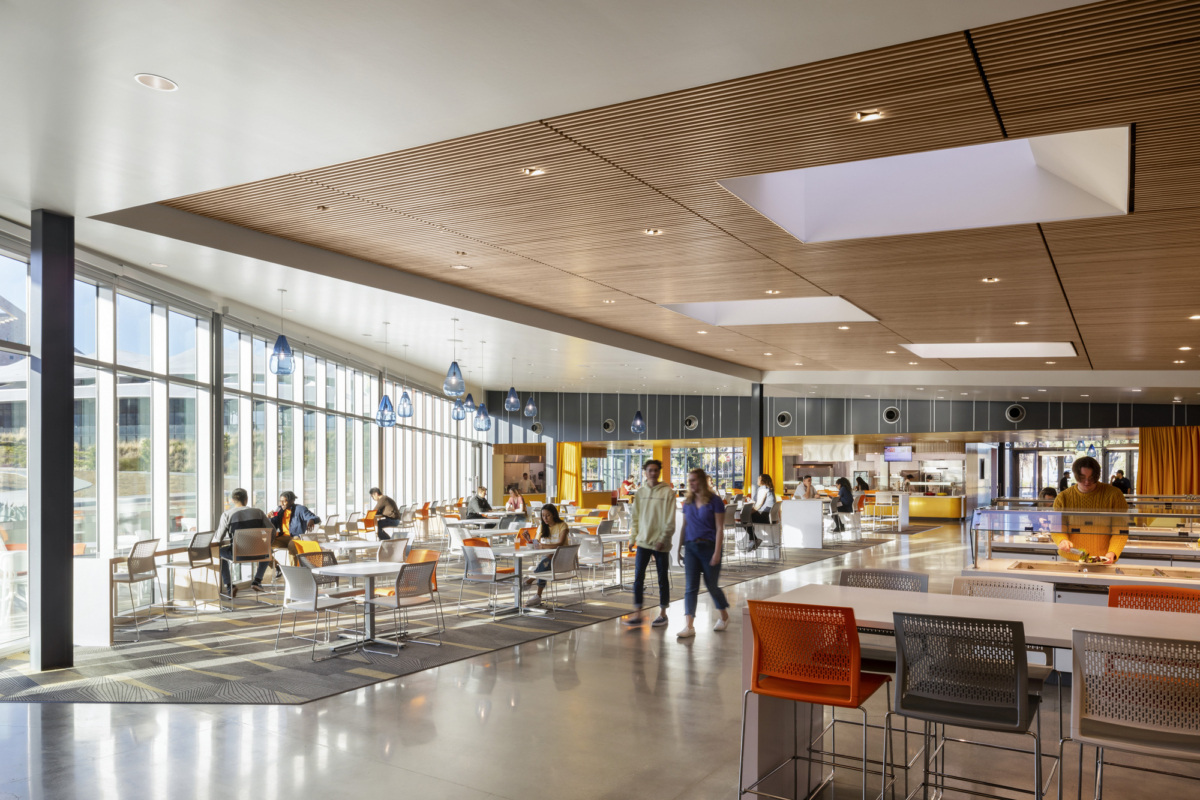
In the U.S. restaurant business, fire safety is not just about passing inspections—it’s about protecting your guests, your staff and your brand.
By choosing fire-rated laminates, properly treated wood, compliant foams and fabrics, and thoughtfully designed fire rated booth seating for restaurants, you can:
Align with NFPA and local fire code requirements
Reduce risk and potential liability
Create a dining space that feels both safe and stylish
When safety, design and comfort work together, your restaurant furniture becomes more than décor—it becomes part of your promise of安心 dining.
Not every single piece must carry a “fire-resistant” label, but materials used in restaurant tables and chairs and booth seating must meet the fire performance requirements specified by codes such as NFPA 101 and applicable local regulations. Your supplier should be able to provide test reports or certificates showing compliance with relevant standards.
Common references include:
California TB 117-2013 for upholstered furniture components
NFPA 701 for certain types of fabrics (e.g., draperies, hangings)
Local or project-specific requirements tied to NFPA 101 or building codes
For structural components, materials must also satisfy broader building and fire code provisions related to flame spread and smoke development.
Ask for:
Full test reports instead of just a simple “certificate” image
Details of standards used, test dates and testing labs
Identification of the exact materials tested (e.g., fabric type, foam density, laminate brand)
You can also look up the testing laboratory’s reputation and, if needed, consult a fire-safety professional to review the documents.
Consider hiring a fire safety consultant or qualified inspector to:
Assess your existing restaurant furniture and interior finishes
Identify high-risk items (e.g., highly flammable upholstery or foam)
Recommend targeted replacements, retrofits or layout changes
This allows you to improve safety step by step instead of replacing everything at once.
Typically, fire-rated materials and treatments cost more than basic residential-grade options. However, there are many cost-effective solutions, such as:
Commercial-grade vinyl with verified fire performance
Fire-rated laminates that combine durability, aesthetics and code compliance
By clearly communicating your budget and safety goals, a knowledgeable supplier can help you choose fire resistant restaurant furniture that balances compliance, appearance and cost.
For Solutions and information on how Zhongjing® Furniture can enhance your restaurant seating, explore our Customization services. Reach out to us at felix@nazj.com for tailored consultations.


