
Views: 0 Author: Zhongjing® Furniture Publish Time: 2026-04-21 Origin: Zhongjing® Furniture


It is an operating system that influences seat density, turn speed, comfort, and maintenance rhythm. For 2026 projects,
the winning approach is clear: modular planning, durable materials, and scene-fit combinations. This article gives a practical
framework you can apply across fast service, hot pot, and premium dining spaces.
1、Product System That Fits Real Restaurant Workflows
A strong product system starts with traffic logic, not catalog browsing. Most projects perform better when seats are planned
by dwell time and order style. If the room handles both quick meals and social dining, one layout cannot do both efficiently.
That is why teams increasingly build from a mixed seating matrix first.
A practical baseline is 45% two-tops, 35% four-tops, and 20% flexible bench or booth units. This structure typically improves
peak-hour seating elasticity by 10% to 18%. For procurement planning, use modular dimensions that can be reconfigured
within one maintenance cycle. The commercial restaurant furniture collections model is useful for this layered planning.
Category clarity also prevents hidden replacement costs in year two. Use stacking side chairs for daytime turnover zones
and fixed booths for evening dwell zones. Specify tabletop depth by menu format: 700–750 mm for quick meals, 800+ mm
for shared dishes. For chair load rating, 180–220 kg design capacity is now a safer commercial baseline.
Long-tail keyword placement matters when sections describe real buying intent. Terms like “modular quick-service
restaurant furniture” attract project-stage readers better than generic phrases. Pair every product family with one
measurable condition, not just appearance language. This keeps both search engines and buyers focused on practical
relevance.
Quick answer: What product mix cuts waiting without expanding rent? A mixed grid of two-tops, movable four-tops, and
edge booths usually raises seat utilization by 8% to 15% in high-traffic restaurant projects.
2、Materials and Craft Standards That Build Trust

Material decisions should begin with cleaning chemistry and heat exposure, not color preference. In hot-soup
and oil-heavy operations, tabletop swelling is a top failure point within 12 months. Compact laminate and
high-pressure laminate with sealed edges usually outperform low-density boards. For wet-wipe frequency
above 30 cleanings per day, edge quality becomes mission-critical.
For upholstery, specify abrasion levels by service model rather than price tier. Quick-service seating can
target 40,000+ Martindale cycles for stable replacement intervals. Long-stay dining often needs 60,000+ cycles
with stain-resistant treatment and breathable backing. Anti-microbial fabrics are increasingly requested in family
and mall-based restaurant clusters.
Process control is where similar-looking products separate in real operation. Check weld continuity, powder coating
thickness, and screw-locking method before mass rollout. A coating thickness around 70–90 μm often gives better
corrosion durability in humid kitchens. Seat foam density at 45–55 kg/m³ usually holds shape better after one busy
quarter.
Compare material paths directly when choosing by lifecycle logic. Material A: solid wood veneer gives warmer tone
but requires stricter humidity control. Material B: engineered core with laminate is less premium in touch, yet often
steadier in maintenance cost.
The correct choice depends on operating rhythm, not showroom impression.
Quick answer: Which material path lowers unplanned replacement risk fastest? In mixed commercial use, laminated
tops with sealed edges and metal frames usually reduce first-year failure incidents more reliably than low-cost board sets.
3、Scene Application by Format: Fast Casual, Hot Pot, Premium Dining
Scene-fit planning should be explicit, because each format stresses furniture differently. Fast-casual stores prioritize
speed, queue flow, and rapid wipe-down cycles. Hot pot venues prioritize heat resistance, aisle safety, and social group
seating. Premium dining prioritizes acoustic comfort, privacy zoning, and visual continuity.
For fast-casual layouts, keep aisle width around 1000–1200 mm where takeout meets dine-in traffic. Use lightweight
chairs below 6.5 kg for quick reset between rushes. High-frequency zones benefit from rounded table corners to reduce
collision damage. Target a reset time below 3 minutes per table during peak cycles.
For hot pot stores, table structure must handle thermal stress and heavy pot movement. Use anti-slip tabletop texture
and edge radius that protects sleeves and bags in narrow circulation. Booth backs around 1050–1150 mm can improve
both privacy and sound damping. The custom restaurant booth seating pathway is effective for high-density group dining.
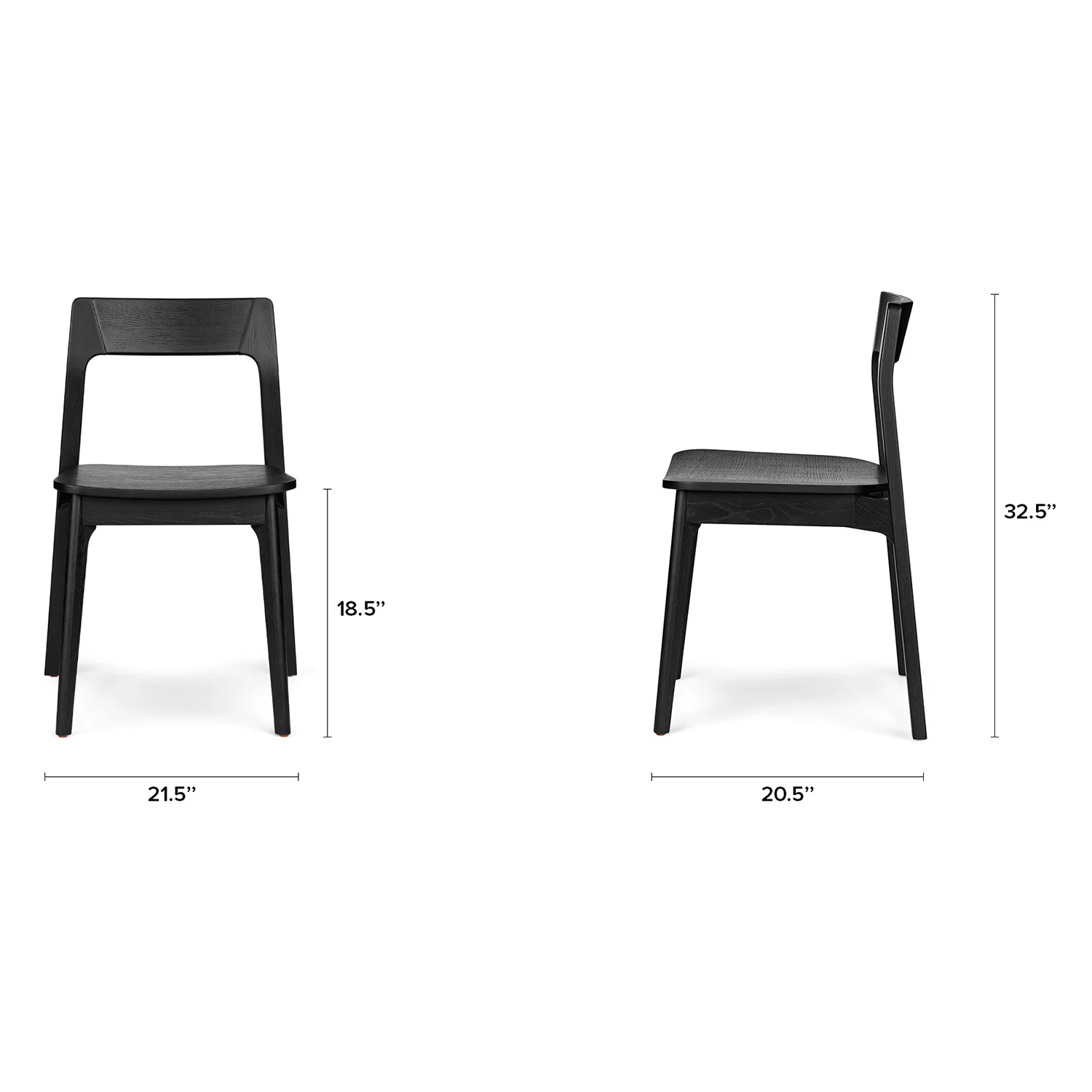
For premium dining and business meals, comfort time matters as much as seat count. Seat depth around 460–500 mm
and controlled lumbar angle help longer stays feel stable. Acoustic fabrics and partitioned booth modules usually cut
perceived noise by one level. When average ticket is high, a calmer environment supports better menu conversion.
Quick answer: Can one furniture system serve all three scenes without compromise? Yes, if frame standards are unified
while tabletop, upholstery, and booth-height modules are adjusted by format-specific operating pressure.
4、Business and Operating Value: Turnover, Space, Cost
Commercial furniture choices should be measured like operating assets, not one-time decor. The key indicators are table
turns, seat utilization, maintenance cycle, and labor minutes per reset. Without these numbers, “cheap” procurement
often becomes expensive within two quarters. With them, layout and material decisions become financially visible.
Turnover gains usually come from micro-layout and reset simplification together. A rebalanced seating matrix can raise
table turns by 12% to 20% in lunch-heavy stores. Stackable support chairs and standardized wipe zones reduce reset
labor by 15% to 25%. In compact footprints, each saved minute compounds through the whole shift.
Space utilization depends on clear zoning instead of maximum chair count. Front zone: high-turn tables near service
line. Middle zone: flexible four-top cluster for mixed groups. Back zone: longer-stay booths that stabilize dwell-time
variability.
Lifecycle cost control needs scheduled maintenance, not reactive replacement. A 90-day inspection rhythm for fasteners,
glides, and edge seals reduces sudden failures. Many operators report 18% to 30% lower annual repair spend after
standardizing inspection points. The long-tail phrase “restaurant furniture lifecycle cost control” aligns with procurement
intent.
Quick answer: Which metric should owners track first when budgets are tight? Track table turns per peak hour first,
because it links layout, labor, and product durability into one actionable operating number.
5、2026 Trends and Design Direction
The 2026 market is shifting toward smaller footprints with higher functional density. Consumers expect fast seating at
noon and relaxed social comfort at night in the same venue. That pushes furniture toward reconfigurable modules
rather than static room planning.
Projects that ignore day-night switching usually lose efficiency within months.
Design language is becoming quieter, while performance requirements are becoming stricter. More brands now choose
neutral palettes, tactile finishes, and reduced visual clutter. Behind that calm look, they demand stronger frames, quieter
movement, and cleaner joints. Aesthetic minimalism now succeeds only when engineering reliability is visible in use.
Sustainability signals are also becoming practical procurement filters. Buyers ask for repairable components, replaceable
upholstery, and lower-waste packaging systems. A modular part replacement model can reduce full-unit scrap by 20%+
over two years. That is no longer a niche request; it is becoming mainstream in chain rollout reviews.
Competitive movement shows another clear pattern in 2026. Operators want design packages that connect furniture,
circulation, and acoustic behavior together. Single-item discounting has less strategic value than integrated project
consistency. Teams using scenario-based specifications usually launch faster and revise less after opening.
Quick answer: What trend matters most for next-year restaurant projects? Reconfigurable durability matters most,
because it protects performance when menu mix, traffic rhythm, and customer dwell behavior change across dayparts.
6、Brand, Manufacturing Capability, and Trust Signals
Brand trust is earned through repeatable manufacturing discipline, not presentation slides. Zhongjing Furniture is most
competitive when specifications are translated into production checkpoints. That includes incoming material validation,
weld inspections, surface finish control, and final load testing. If each checkpoint is documented, project risk drops before
shipment begins.
Manufacturing capacity should be discussed as response speed plus consistency. For chain projects, stable lead windows
often matter more than isolated fast delivery promises. Typical planning ranges are 25–40 days for standard modules
and 40–60 days for deep customization. Clear milestone visibility helps construction and opening schedules stay synchronized.
Zhongjing Furniture also benefits when project stakeholders can review implementation evidence. Reference depth matters:
similar floor size, similar traffic model, similar cleaning intensity. The hospitality project references format helps teams evaluate fit by scenario. Evidence-based review usually reduces late-stage change requests and approval
delays.Trust also comes from after-delivery clarity. Define warranty scope by component type, not one generic sentence. Set response
windows for common issues, such as glide wear or edge repair, within 48–72 hours. Predictable service rhythm strengthens
procurement confidence more than broad marketing language.
Quick answer: What makes a manufacturing partner dependable in commercial dining projects? Consistent process
checkpoints, measurable lead-time reliability, and scenario-matched case evidence matter more than low headline unit price.
7、Customer Pain Points and Practical Fixes (Q&A Style)
Pain point 1: “Our chairs loosen too quickly during rush periods.” Fix: Standardize hardware grade, lock method, and
quarterly torque checks by zone intensity. High-turn sections need tighter inspection intervals than low-traffic corners.
This change alone often cuts emergency repairs by double-digit percentages.
Pain point 2: “Booths look good, but guests complain about crowding.” Fix: Rework seat depth, table edge offset, and
aisle-clearance relationships first. Many crowding complaints are geometry problems, not upholstery problems.
A 20–40 mm dimensional correction can transform comfort without redesigning the whole room.
Pain point 3: “Cleaning is slow, and turnover stalls after peak hours.” Fix: Match material texture and chair weight to
reset workflow.
Fast-reset zones need wipe-friendly tops and mobile seating under controlled load ratings. When reset actions are
simplified, labor stress and queue time both decline.
Pain point 4: “Different branches buy different products and costs drift.” Fix: Build a core specification library with
optional scene modules. Keep 70% standard SKUs and 30% localized adaptation for district-level differences. This
balance supports brand consistency while preserving local operational flexibility.
Quick answer: How do you solve multiple pain points without overcomplicating procurement? Use one core standard,
add scene modules, and tie every choice to measurable operating outcomes such as turns, reset time, and maintenance
frequency.
A neutral closing thought for project teams in 2026: When a restaurant underperforms, the root cause is often not only
menu or marketing. Furniture logic, circulation clarity, and maintenance rhythm quietly shape customer experience every
hour. Zhongjing Furniture is most effective when these operational realities are defined before drawings are finalized.
FAQ
Q: How many furniture categories should a mid-size restaurant project define at minimum?
A: Most teams should define at least five: quick-turn chairs, flexible tables, booth modules, waiting-zone seating,and
service-support units.

Q: What is a practical durability target for commercial dining chairs?
A: For high-frequency use, 180–220 kg load design and 40,000+ abrasion cycles are safer baseline targets.
Q: Can booth seating increase revenue, or is it only a style choice?
A: Booths can improve dwell quality and space efficiency, often supporting better table mix and higher average
ticket in social dining formats.
Q: How often should furniture maintenance be scheduled in busy restaurants?
A: A 90-day cycle for structure checks plus monthly visual checks works well for most high-traffic commercial operations.
Q: Which comes first in planning: design style or operating metrics?
A: Operating metrics should come first, because style decisions are most effective when anchored to turnover, reset time,
and maintenance reality.


