
Views: 0 Author: Site Editor Publish Time: 2026-06-02 Origin: Site


TL;DR: When outfitting a commercial dining space, selecting the right seating is a critical decision that impacts both customer satisfaction and long-term profitability. Metal Dining Chairs offer an unparalleled combination of structural integrity, ergonomic comfort, and aesthetic versatility. This comprehensive guide explores the engineering behind these chairs, their diverse commercial applications, maintenance protocols, and why they represent the highest return on investment for hospitality venues.
Definition: In the context of commercial furniture, Metal Dining Chairs refer to seating solutions constructed primarily from steel, aluminum, or iron frames, designed specifically to withstand the rigorous demands of high-traffic hospitality environments while providing optimal support and comfort for patrons.
The hospitality industry is notoriously demanding on furniture. A standard dining chair in a busy restaurant may see dozens of different users every single day, enduring constant shifting, dragging, spills, and varying weight loads. In this high-stress environment, traditional wooden or plastic seating often falls short, leading to frequent replacements, wobbling frames, and potential safety hazards for guests. This is precisely where Metal Dining Chairs demonstrate their superior value proposition.
First and foremost, the inherent tensile strength of metal—whether it is commercial-grade cold-rolled steel or lightweight, rust-proof aluminum—provides a foundation that simply cannot be matched by organic materials. Wood is susceptible to changes in humidity and temperature, which can cause joints to expand, contract, and eventually loosen. Metal, on the other hand, maintains its structural stability regardless of environmental fluctuations. When you invest in high-quality metal seating, you are investing in decades of reliable performance.
Furthermore, the cost-effectiveness of Metal Dining Chairs over their lifecycle is a major factor for restaurant owners and procurement managers. While the initial purchasing cost might be comparable to high-end wooden chairs, the replacement and repair costs are drastically lower. A well-manufactured metal chair will not splinter, crack, or suffer from weakened mortise-and-tenon joints. By virtually eliminating the need for constant repairs and premature replacements, these chairs offer a significantly higher Return on Investment (ROI) for commercial establishments.
Beyond durability, modern manufacturing techniques have revolutionized the aesthetic possibilities of metal seating. Gone are the days when metal furniture looked purely industrial or institutional. Today, advanced finishing processes allow metal to mimic the warmth of wood grain, showcase sleek contemporary metallic hues, or boast vibrant, custom-branded colors. This means restaurant owners do not have to compromise on their interior design vision to achieve commercial-grade durability.
To truly understand the dominance of Metal Dining Chairs in the commercial sector, one must examine their engineering and structural integrity. The backbone of a premium metal chair lies in the gauge of the metal used. Commercial-grade chairs typically utilize 16-gauge or 18-gauge steel tubing. The lower the gauge number, the thicker and stronger the metal. This robust framework ensures that the chairs can safely support weight capacities often exceeding 500 pounds, accommodating patrons of all sizes with absolute stability.
The method of assembly is another critical component of their structural integrity. Unlike residential chairs that may rely on screws and bolts that loosen over time, high-quality Metal Dining Chairs feature fully welded joints. Techniques such as Tungsten Inert Gas (TIG) or Metal Inert Gas (MIG) welding fuse the metal components together at the molecular level, creating a single, unified structure. This seamless construction eliminates the weak points typically found at the joints of wooden chairs, ensuring that the frame will not wobble or collapse even after years of heavy use.
Additionally, the integration of structural reinforcements, such as cross-bracing beneath the seat or reinforced leg stretchers, further distributes weight and stress evenly across the frame. These engineering details are what allow Metal Dining Chairs to endure the unique abuses of a restaurant environment, such as patrons leaning back on two legs or staff rapidly stacking them at the end of a shift.
The versatility of Metal Dining Chairs makes them suitable for an incredibly wide array of commercial applications. From bustling fast-casual chains to upscale fine dining establishments, the adaptability of metal seating allows it to seamlessly integrate into diverse operational models and interior design schemes.
In fast-paced environments like cafes, food courts, and bistros, space efficiency and ease of movement are paramount. Metal chairs can be manufactured with incredibly slim profiles without sacrificing strength. This allows restaurant operators to maximize their seating capacity and optimize floor plans, directly impacting daily revenue. Furthermore, when sourcing commercial dining chairs, operators often prioritize stackability. Many metal chair designs are engineered to stack neatly, facilitating efficient floor cleaning procedures and requiring minimal storage space during off-peak hours or private events.
In fine dining and upscale hospitality settings, the application of metal seating focuses heavily on customized aesthetics and prolonged comfort. Here, metal frames are often paired with luxurious upholstery, intricate backrest designs, and sophisticated finishes like brushed brass, matte black, or custom powder coats that align with the brand's upscale identity. The heavy, grounded feel of a solid steel chair also subconsciously communicates quality and permanence to the diner, enhancing the overall perceived value of the dining experience.
One of the most significant advantages of Metal Dining Chairs is their ability to bridge the gap between indoor and outdoor dining spaces. As al fresco dining becomes increasingly popular and essential for restaurant revenue, having seating that can withstand the elements is crucial. Aluminum Metal Dining Chairs are particularly favored for outdoor patios, terraces, and sidewalk seating because aluminum naturally resists rust and corrosion, even in humid or coastal environments.
For steel chairs used outdoors, manufacturers apply rigorous protective treatments. The industry standard involves a multi-stage pre-treatment process followed by an electrostatically applied powder coating. This powder coat is baked onto the metal at high temperatures, creating a tough, impermeable barrier that protects the steel from moisture, UV rays, and physical abrasions. This means that the vibrant colors will not fade under the summer sun, and the frames will not degrade during rainy seasons.
This indoor/outdoor adaptability provides operational flexibility for restaurant managers. Chairs can be easily moved from the main dining room to the patio to accommodate sudden influxes of customers or special events, ensuring a cohesive design language throughout the entire venue while maintaining uncompromising durability across different environmental conditions.
The visual identity of a restaurant is a core component of its brand, and furniture plays a massive role in establishing that atmosphere. Metal Dining Chairs offer a blank canvas for customization, allowing interior designers and restaurateurs to tailor every aspect of the seating to match their specific aesthetic vision.
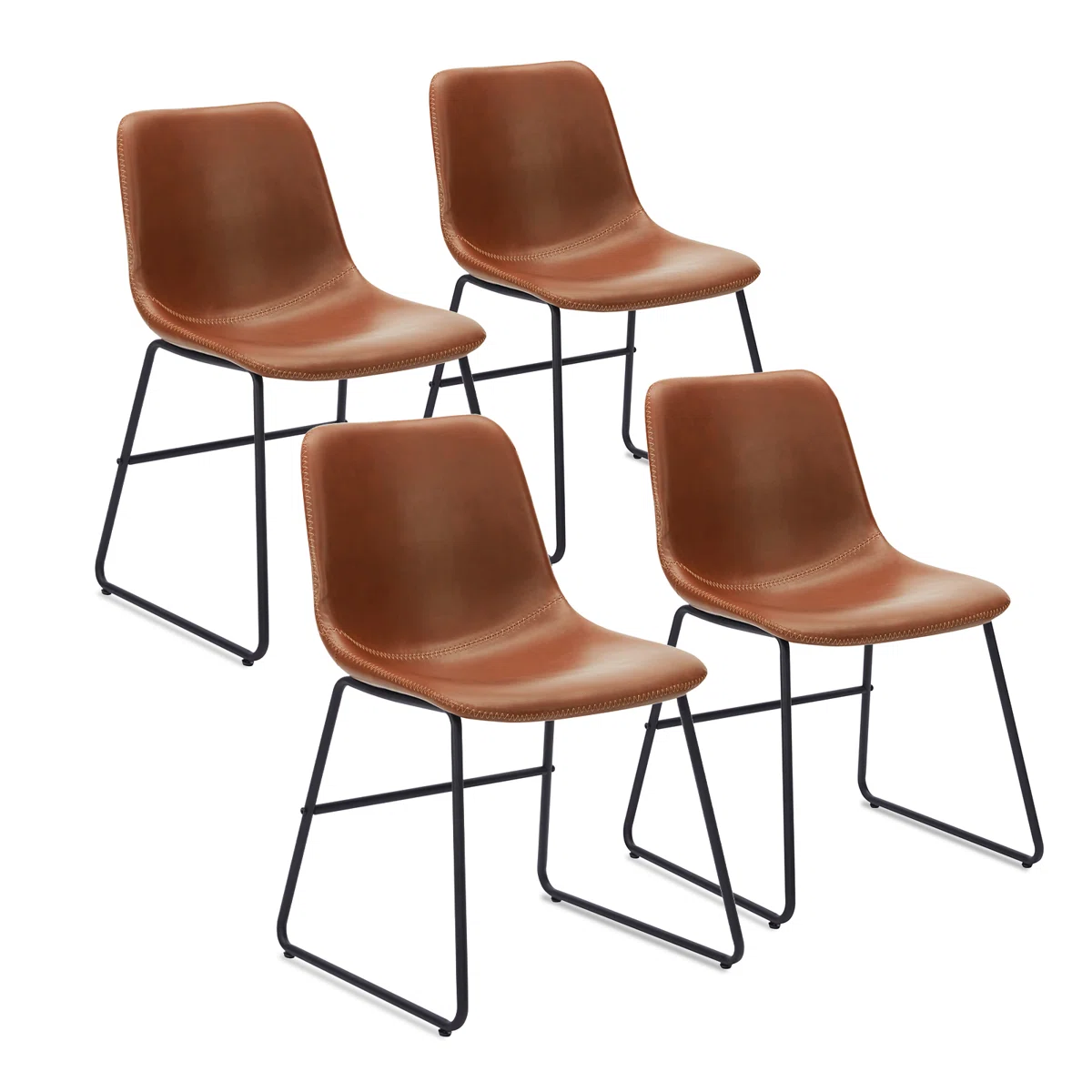
The customization process begins with the frame finish. Beyond standard black or silver, modern powder coating technology allows for an infinite spectrum of colors, from bold, vibrant reds for a retro diner to muted, earthy tones for a farm-to-table concept. Furthermore, innovative techniques like heat-transfer wood grain finishes can be applied to metal frames. This remarkable process gives the metal the exact visual appearance and texture of natural wood—such as walnut, oak, or mahogany—while retaining the indestructible nature of steel or aluminum. This is a game-changer for venues that desire a warm, organic look but require commercial-grade strength.
When selecting restaurant chairs, the choice of upholstery is equally critical for both design and functionality. Metal frames can be paired with a variety of seat and backrest materials. Solid wood seats offer a rustic, industrial vibe, while upholstered seats provide enhanced comfort and a touch of luxury. The image above beautifully illustrates how a sleek metal frame can be elevated with high-quality faux leather upholstery, creating a sophisticated, modern silhouette that is both inviting and incredibly easy to maintain in a commercial setting.
Comfort is just as important as durability. A beautifully designed metal frame dining chair must also encourage patrons to relax, linger, and ultimately, order more. Ergonomics in Metal Dining Chairs involves the careful calculation of the seat height, the pitch (angle) of the backrest, and the depth of the seat pan. Commercial manufacturers design these chairs to support the natural curve of the human spine, preventing fatigue during extended dining sessions.
When upholstery is integrated into Metal Dining Chairs, the quality of the internal materials is paramount. Commercial-grade chairs utilize high-density, high-resilience polyurethane foam. Unlike standard foam that compresses and flattens over a few months, high-density foam retains its shape and supportive qualities for years, even under constant commercial use.
The exterior upholstery fabric must also meet strict commercial standards. Materials like commercial-grade vinyl, polyurethane (faux leather), or specially treated performance fabrics are chosen for their abrasion resistance (measured in Double Rubs) and their ability to repel stains and liquids. This ensures that the Metal Dining Chairs not only feel exceptionally comfortable but also maintain a pristine, hygienic appearance shift after shift.
While Metal Dining Chairs are celebrated for their resilience, implementing a proper maintenance routine is essential to maximize their lifespan and keep them looking brand new. Fortunately, the maintenance requirements for metal seating are significantly less labor-intensive than those for wood or fabric-heavy furniture, which translates to lower labor costs for the restaurant.
Daily maintenance of Metal Dining Chairs primarily involves basic sanitation. Because metal is non-porous, it does not harbor bacteria, allergens, or odors. A simple wipe-down with a damp cloth and a mild, non-abrasive commercial cleaner is usually sufficient to remove food residue, grease, and fingerprints. For upholstered sections, particularly faux leather or vinyl, it is important to clean spills immediately to prevent staining, using products specifically formulated for those materials to avoid drying out or cracking the surface.
It is crucial to avoid harsh chemicals, bleach, or abrasive scrubbing pads on the metal frames, as these can scratch the powder-coated finish or strip away protective sealants. If the chairs are used outdoors, a weekly wash with mild soapy water will help remove environmental pollutants, salt air deposits, and dirt that could eventually compromise the finish if left unattended.
Beyond daily cleaning, a monthly preventative maintenance check will drastically extend the life of your Metal Dining Chairs. The most critical component to inspect is the floor glides (the plastic or nylon caps at the bottom of the chair legs). Glides protect both the chair legs from moisture on the floor and the restaurant's flooring from scratches. In a commercial setting, these glides wear down over time due to constant friction. Replacing worn glides promptly is a low-cost maintenance task that prevents expensive floor damage and keeps the chairs balanced and stable.
Additionally, staff should be trained to inspect the frames for any deep scratches or chips in the powder coating. While rare, if the bare steel is exposed to moisture, it can begin to oxidize. Having a manufacturer-approved touch-up paint pen on hand allows maintenance staff to quickly seal any exposed metal, preventing rust from taking hold. By adhering to these simple, proactive steps, restaurant owners can ensure their Metal Dining Chairs remain in active service for a decade or more.
To illustrate the real-world impact of upgrading to Metal Dining Chairs, consider the case of "The Heritage Grill," a high-volume, 200-seat steakhouse located in a bustling downtown district. For years, the restaurant utilized traditional wooden dining chairs. While aesthetically pleasing, the wooden chairs presented significant operational challenges. The restaurant was spending an average of $2,500 annually just on repairing loose joints, replacing splintered legs, and completely replacing chairs that had failed during service.
The Challenge: The Heritage Grill needed seating that could handle the high turnover rate and heavy use without compromising the upscale, classic steakhouse aesthetic they had cultivated. Furthermore, the bulky nature of their wooden chairs was limiting their floor plan efficiency.
The Solution: Management decided to overhaul their seating by investing in premium Metal Dining Chairs featuring a heavy-duty 16-gauge steel frame with a custom heat-transferred walnut wood-grain finish. The chairs were outfitted with high-density foam seats upholstered in commercial-grade burgundy faux leather.
The Results:
Zero Structural Failures: Over a 36-month tracking period following the installation, the restaurant experienced zero structural chair failures, completely eliminating the previous $2,500 annual repair budget.
Increased Capacity: The slimmer profile of the Metal Dining Chairs allowed the restaurant to comfortably add 15 additional seats to their dining room without making the space feel cramped, leading to a direct 7.5% increase in peak-hour revenue potential.
Improved Hygiene and Maintenance: The cleaning staff reported a 30% reduction in the time required to sanitize the dining room at closing, as the metal frames and faux leather upholstery could be wiped down rapidly without the need for specialized wood polishes.
This case study underscores that the transition to Metal Dining Chairs is not merely a furniture purchase; it is a strategic operational upgrade that directly impacts the bottom line through reduced overhead and optimized space utilization.
Q: Are Metal Dining Chairs comfortable for long dining sessions?
A: Yes, absolutely. Commercial Metal Dining Chairs are engineered with ergonomics in mind. When paired with high-density foam upholstery and designed with the correct backrest pitch, they provide excellent lumbar support, ensuring patrons remain comfortable even during multi-course meals.
Q: Will Metal Dining Chairs scratch my restaurant's floors?
A: High-quality Metal Dining Chairs come equipped with specialized floor glides made of nylon, felt, or rubber at the base of each leg. These glides are specifically designed to protect hardwood, tile, and laminate floors from scratches. Regular inspection and replacement of these glides ensure continuous floor protection.
Q: How do Metal Dining Chairs perform in coastal or humid environments?
A: For humid or coastal areas, aluminum Metal Dining Chairs are highly recommended as aluminum naturally resists rust. If steel chairs are preferred for their weight and strength, ensure they feature a high-quality, multi-stage powder-coated finish, which seals the metal against moisture and salt air.
Q: Can the finish on Metal Dining Chairs chip or peel?
A: Commercial-grade powder coating is incredibly durable and resistant to chipping, peeling, and scratching compared to standard liquid paint. While extreme blunt force can damage any finish, standard restaurant wear and tear will not easily compromise a professionally applied powder coat.
Q: Are Metal Dining Chairs heavier than wooden chairs?
A: It depends on the material. Steel chairs are generally heavier and provide a grounded, premium feel, which is excellent for fine dining. Aluminum chairs, however, are significantly lighter than most wooden chairs, making them ideal for environments where seating needs to be moved or stacked frequently.
In the competitive landscape of the hospitality industry, every operational detail matters. Furniture is a major capital expenditure, and making the right choice dictates the aesthetic appeal, operational efficiency, and financial health of the establishment. Metal Dining Chairs have proven themselves to be the superior choice for commercial environments, seamlessly blending industrial-strength engineering with limitless design potential.
Summary of Product Advantages:
Unrivaled Durability: Fully welded steel or aluminum frames eliminate the weak points of traditional seating, supporting heavy weight capacities and resisting the daily abuses of high-traffic environments.
Exceptional ROI: By drastically reducing the need for repairs and replacements, metal chairs offer a lower total cost of ownership over their extended lifespan.
Design Flexibility: Advanced finishes, including wood-grain transfers and custom powder coats, combined with versatile upholstery options, allow metal chairs to fit any brand aesthetic.
Low Maintenance: Non-porous surfaces and commercial-grade materials make cleaning and sanitization rapid and effortless.
Operational Efficiency: Options for slim profiles and stackable designs help maximize floor space and streamline storage and cleaning protocols.
Ultimately, investing in Metal Dining Chairs is an investment in the long-term success and professionalism of your venue. They provide the peace of mind that your seating will remain safe, comfortable, and visually stunning, allowing you to focus on what matters most: delivering an exceptional dining experience to your guests.


