
Views: 0 Author: Site Editor Publish Time: 2026-06-10 Origin: Site


Creating a memorable dining experience goes far beyond the culinary delights served on the plate. The physical environment, specifically the seating arrangements, plays a foundational role in how patrons perceive your establishment. When guests walk through your doors, their first physical interaction with your brand is often pulling out a chair and sitting at a table. Therefore, selecting the perfect dining table and chair set is not merely a matter of aesthetics; it is a critical business decision that impacts customer comfort, operational efficiency, and overall profitability.
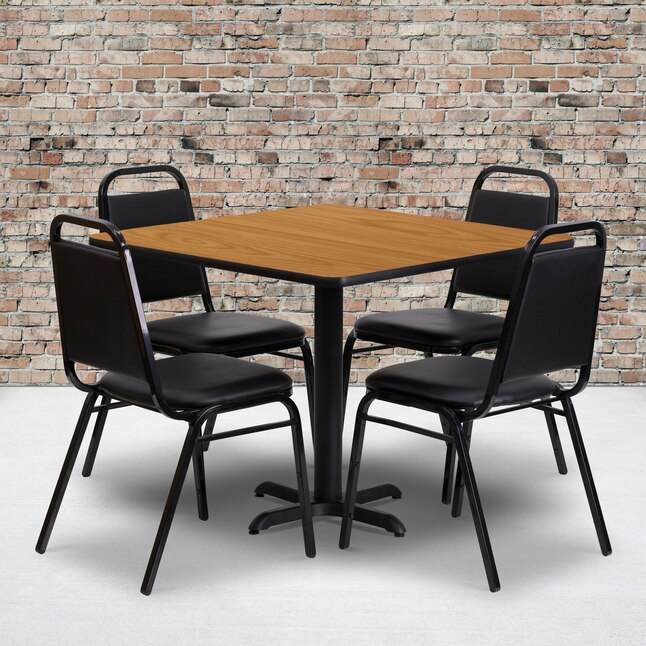
TL;DR: Choosing the right seating for your commercial dining space requires balancing aesthetics, ergonomics, durability, and space optimization. This comprehensive guide explores material selection, ergonomic standards, layout strategies, and maintenance protocols to help you maximize your return on investment while elevating the guest experience.
In the highly competitive hospitality industry, every detail matters. Commercial-grade seating is fundamentally different from residential furniture. While a residential dining set might be used for an hour or two a day, commercial setups are subjected to relentless use, bearing the weight of dozens of different patrons daily, enduring spills, constant movement, and rigorous cleaning protocols. Investing in high-quality setups ensures that your establishment remains safe, visually appealing, and comfortable for years to come. The right configuration can seamlessly blend into your interior design while silently dictating the flow of traffic and the turnover rate of your tables.
The psychology of seating is a well-documented phenomenon in the hospitality sector. The design, material, and comfort level of your seating directly influence consumer behavior. For instance, fast-casual and quick-service restaurants deliberately choose harder materials like molded plastic or metal with minimal padding. This design encourages a faster turnover rate, which is essential for their high-volume business model. Conversely, fine dining establishments opt for plush, upholstered seating with armrests and deep cushions. This encourages guests to linger, order multiple courses, and indulge in after-dinner drinks, thereby increasing the average check size. Understanding this psychological dynamic is the first step in selecting the appropriate setup for your specific business model.
The longevity and visual appeal of your dining space depend heavily on the materials you choose. Commercial environments demand materials that can withstand heavy traffic, frequent cleaning, and environmental factors like humidity and temperature fluctuations. Below is a detailed breakdown of the most common materials used in the industry.
Solid wood remains a timeless choice for many establishments, offering warmth, elegance, and a classic aesthetic. Hardwoods like oak, beech, and walnut are preferred for their density and resistance to denting. Wood can be stained or painted to match almost any decor, from rustic farm-to-table concepts to high-end steakhouses. However, wood requires regular maintenance, such as polishing and occasional refinishing, to maintain its luster and protect it from moisture damage.
Metal, on the other hand, offers unparalleled durability and a sleek, modern aesthetic. Steel and aluminum are the most common metals used. Steel is incredibly strong and ideal for heavy-duty use, though it can be heavy to move. Aluminum is lightweight, naturally rust-resistant, and perfect for outdoor patios or spaces where seating needs to be frequently rearranged. Metal frames are often powder-coated to resist scratching and chipping, making them a low-maintenance option for high-traffic venues.
Beyond wood and metal, synthetic materials like resin, polycarbonate, and high-pressure laminate (HPL) have gained immense popularity. Resin and plastics are incredibly easy to clean, lightweight, and can be molded into striking, contemporary shapes. HPL tabletops are virtually indestructible, resisting scratches, heat, and stains, making them a staple in family restaurants and diners.
When it comes to upholstery, the choice of fabric is crucial. Commercial-grade vinyl is the industry standard due to its exact resemblance to leather combined with superior cleanability and liquid resistance. If woven fabrics are desired for a softer, more luxurious feel, they must be treated with stain-resistant coatings and have a high "double rub" count (typically 50,000 or higher) to ensure they do not wear thin under constant friction.
Aesthetics will draw customers in, but comfort will bring them back. Ergonomics—the study of people's efficiency and comfort in their working or dining environment—is a critical factor that is often overlooked by novice restaurateurs. If a guest is physically uncomfortable, it will negatively color their entire perception of the meal and the service.
Adhering to standard industry dimensions is non-negotiable for ensuring guest comfort. The standard height for a dining table is 30 inches from the floor to the tabletop. To accompany this, standard dining chairs should have a seat height of 18 inches. This 12-inch difference provides the optimal legroom for the average adult, preventing knees from bumping against the table apron while ensuring the tabletop is at a comfortable height for eating.
For bar-height setups, tables are typically 41 to 42 inches high, requiring bar stools with a seat height of 29 to 30 inches. Counter-height setups, which offer a casual, transitional feel, usually feature 36-inch tables paired with 24-inch stools. Mixing these different heights within your dining room can create visual interest and define different zones, such as a casual bar area versus a formal dining room.
Beyond height, the depth and width of the seat, the angle of the backrest, and the presence of armrests all contribute to ergonomic comfort. A standard commercial seat width is between 16 and 18 inches, though fine dining chairs may be wider to accommodate a more relaxed posture. The backrest should provide adequate lumbar support, typically angled slightly backward at about 5 to 8 degrees. If you choose chairs with armrests, you must ensure that the arms can slide smoothly under the tabletop; otherwise, guests will be forced to sit too far away from their food, leading to an awkward and uncomfortable dining posture.
Effective space planning is a mathematical balancing act. You want to maximize your seating capacity to increase potential revenue, but you must also ensure that the dining room does not feel cramped, loud, or difficult to navigate. A well-planned layout enhances the atmosphere and improves the efficiency of your waitstaff.
A general rule of thumb in restaurant design is the 60/40 rule: 60% of your total square footage should be dedicated to the dining area, while 40% is reserved for the kitchen, storage, and restrooms. Within that 60%, the amount of space allocated per diner depends on your service style. Fine dining restaurants typically allocate 18 to 20 square feet per person to provide privacy and a luxurious feel. Full-service casual restaurants aim for 12 to 15 square feet per person, while fast-food and banquet setups might squeeze in at 10 to 12 square feet per person.
To maximize flexibility, many operators utilize "deuces" (two-top tables) as the foundation of their layout. Two-tops can easily be pushed together to accommodate parties of four, six, or eight, and pulled apart for couples. This prevents the common issue of seating a party of two at a four-top table, which effectively wastes 50% of that table's revenue potential for the duration of the meal. Incorporating commercial dining furniture that is modular and easily movable is key to adapting to daily fluctuations in party sizes.
The placement of your furniture must facilitate a smooth flow of traffic for both guests and staff. Main traffic aisles—the primary routes from the host stand to the tables, and from the kitchen to the dining floor—should be at least 36 to 48 inches wide. Service aisles between tables should be a minimum of 24 inches wide to allow staff to carry trays safely without bumping into guests' chairs.
Furthermore, compliance with the Americans with Disabilities Act (ADA) or local accessibility regulations is mandatory. You must ensure that a certain percentage of your seating is accessible to wheelchair users. This means having tables of the appropriate height (typically 28 to 34 inches high) with adequate knee clearance (at least 27 inches high, 30 inches wide, and 19 inches deep), and ensuring that the pathways to these tables are wide enough to navigate easily.
Your seating is a major component of your interior design and should seamlessly reflect your brand identity. The visual harmony between your furniture, lighting, flooring, and wall decor creates an immersive atmosphere that transports guests the moment they arrive.
If your establishment is an industrial-chic brewpub, you might opt for distressed solid wood tables paired with raw steel chairs featuring exposed welds. A high-end seafood restaurant might choose sleek, white marble tabletops with navy blue velvet upholstered chairs and brass accents. A cozy neighborhood cafe might mix and match different vintage wooden chairs around simple laminate tables to create a curated, eclectic, and welcoming vibe.
Color psychology also plays a role. Warm colors like red, orange, and yellow are known to stimulate appetite and create a high-energy environment, making them popular in fast-casual settings. Cool colors like blue and green promote relaxation and tranquility, ideal for cafes or health-focused eateries. Neutral tones like black, white, gray, and natural wood offer sophistication and allow the food to be the primary visual focus.
To truly stand out, many owners choose to customize their furniture. This can range from selecting specific wood stains and upholstery patterns to having the restaurant's logo laser-engraved into the wooden seat backs or printed onto the tabletops. Customization ensures that your space is unique and highly photogenic, which is increasingly important in the age of social media where guests frequently share photos of beautiful dining environments.
Purchasing high-quality seating is a significant capital expenditure. Protecting that investment requires implementing strict, consistent maintenance protocols. Neglected furniture not only looks unappealing but can also become a safety hazard and a violation of health codes.
Daily maintenance should be ingrained in your staff's opening and closing duties. Tabletops must be sanitized between every seating using food-safe, non-abrasive cleaners. Harsh chemicals, bleach, or abrasive scouring pads should be strictly avoided, especially on wood and resin surfaces, as they will strip away protective finishes and leave the surface porous and susceptible to staining and bacterial growth.
Upholstered seats should be wiped down (if vinyl) or vacuumed (if fabric) daily to remove crumbs and debris. Spills on fabric must be treated immediately with appropriate spot cleaners to prevent permanent staining. For wooden frames, a weekly wipe-down with a damp cloth followed by a dry cloth will prevent the buildup of sticky grease and dust.
Preventative maintenance goes beyond cleaning. Every month, a designated staff member should inspect all furniture. This includes tightening any loose screws or bolts, checking for structural wobbles, and inspecting the floor glides. Floor glides (the small plastic or felt pads on the bottom of chair legs) are crucial; they protect your expensive flooring from scratches and reduce the screeching noise of chairs being dragged. Glides wear out quickly in a commercial setting and should be replaced immediately when worn. Investing in high-quality restaurant furniture means you are buying products designed with replaceable parts, allowing you to extend the life of the item rather than replacing the whole unit.
When outfitting a dining room, it is tempting to cut costs by purchasing residential furniture or the cheapest available commercial options. However, this is almost always a false economy. Residential furniture is not engineered to withstand commercial use and will likely break within months, voiding any warranties and requiring immediate replacement. Furthermore, broken furniture poses a severe liability risk if a customer is injured.
When budgeting, consider the Total Cost of Ownership (TCO) rather than just the initial purchase price. A commercial chair that costs $150 and lasts for 10 years is a far better investment than a residential chair that costs $50 but needs to be replaced every year. High-quality seating also contributes to revenue generation. Comfortable guests stay longer (increasing beverage and dessert sales in fine dining) or leave satisfied (increasing repeat business in all sectors). When planning your budget, allocate sufficient funds to purchase commercial-grade items backed by robust manufacturer warranties.
Wobbling is usually caused by uneven floors rather than defective tables. The best solution is to equip your tables with auto-adjusting table glides. These hydraulic or mechanical feet automatically adapt to uneven surfaces, instantly stabilizing the table without the need for unsightly folded napkins or cardboard wedges.
For frames, welded steel or heavy-duty aluminum are the most durable. For tabletops, High-Pressure Laminate (HPL) or quartz/granite offer the highest resistance to scratches, heat, and moisture. Solid wood is highly durable but requires more maintenance to keep its appearance pristine.
You should leave a minimum of 24 inches between the backs of occupied chairs to allow for a service aisle. For main traffic routes and wheelchair accessibility, aisles should be between 36 and 48 inches wide.
Yes, outdoor furniture can absolutely be used indoors and is often chosen for its extreme durability and unique aesthetic (such as aluminum or synthetic rattan). However, indoor furniture should never be used outdoors, as it lacks the UV protection and weatherproofing required to survive the elements.
With proper maintenance, high-quality commercial seating can last 7 to 10 years, or even longer. However, many restaurants choose to update their seating every 5 to 7 years to refresh their interior design and keep the establishment looking modern and inviting.
Selecting the right seating is a foundational element of your hospitality business strategy. By carefully considering materials, ergonomics, space planning, and maintenance, you can create a dining environment that delights guests and streamlines operations. Investing in premium, commercial-grade Restaurant Table and Chair Sets offers several distinct advantages:
Enhanced Guest Experience: Ergonomically designed seating ensures physical comfort, elevating the overall perception of the meal and encouraging positive reviews and repeat visits.
Maximized Revenue Potential: Strategic sizing and modular layouts allow you to optimize floor space, accommodating more guests during peak hours without making the room feel overcrowded.
Long-Term Cost Savings: Commercial-grade materials and construction withstand the rigors of heavy daily use, drastically reducing the frequency and cost of repairs and replacements compared to lower-quality alternatives.
Brand Cohesion: Beautifully designed, customized furniture acts as a physical extension of your brand identity, creating a memorable, photogenic atmosphere that sets you apart from competitors.
Operational Efficiency: Easy-to-clean surfaces and lightweight, stackable designs reduce the time and effort required by staff for daily maintenance and floor reconfiguration.
Ultimately, your dining furniture is not just a place for guests to sit; it is a critical asset that drives the success, safety, and style of your commercial dining space. Choose wisely, invest in quality, and watch as your dining room transforms into a welcoming haven for your patrons.


