
Views: 0 Author: Zhongjing® Furniture Publish Time: 2025-11-17 Origin: Zhongjing® Furniture


When it comes to furnishing a school cafeteria, selecting the right tables is crucial. Cafeteria tables are more than just functional furniture; they play a vital role in creating an inviting and efficient dining space for students. In this article, we'll explore the benefits of choosing cafeteria tables for schools and how they can enhance the overall dining experience.
One of the primary advantages of cafeteria tables is their versatility. Schools have different needs depending on the age of students and the available space, and cafeteria tables come in a variety of designs to meet these needs.
Cafeteria table size is an important consideration. Whether you're looking for a small cafeteria table for preschoolers or a larger rectangle cafeteria table for high school students, there's a wide range of options available. Choosing the right size ensures that the tables fit well within the designated dining area and provide ample seating for students.
In addition to standard sizes, custom-sized tables can be ordered to fit unique spaces or specific requirements of a school. This customization allows schools to maximize seating capacity without compromising comfort. Moreover, the adaptability in sizes ensures that the cafeteria can accommodate fluctuating student numbers throughout the school year.
Schools can also consider tables with adjustable heights. This feature is particularly beneficial for institutions catering to multiple age groups, as it allows a single table to serve different students by simply adjusting its height, ensuring both functionality and comfort.
Cafeteria tables with benches, stools, or chairs offer different seating arrangements. Cafeteria bench seating is perfect for maximizing space, while round cafeteria tables with stools provide a more intimate dining experience. Each option has its own benefits, so schools can choose based on their specific requirements and preferences.
Another advantage of varied seating options is the ability to cater to different group sizes and dynamics. For instance, long benches are ideal for larger groups, fostering a communal feel, while individual chairs or stools can cater to smaller or more private gatherings. This flexibility allows schools to adapt their dining spaces to suit different occasions or events.
Furthermore, schools can opt for ergonomic seating solutions that support students' posture and comfort. Ergonomically designed seating can enhance students' dining experience by reducing discomfort during meal times, which is particularly important for younger students who may be seated for longer periods.
Cafeteria tables are available in a variety of materials, each offering distinct benefits. Schools can choose from durable laminate surfaces to scratch-resistant stainless steel, depending on their needs and budget. Each material comes with its own aesthetic and functional advantages, allowing for a personalized dining environment.
Design customization extends beyond materials to include shapes and layouts. Schools can select from traditional rectangular designs or explore circular and oval shapes to create a dynamic and visually appealing dining space. This variety in design helps in creating an environment that is both stimulating and conducive to social interaction.
Additionally, the incorporation of multi-purpose designs, such as tables with attached storage or foldable components, can further enhance the functionality of the cafeteria. These designs allow for efficient use of space and resources, making them ideal for schools with limited areas.
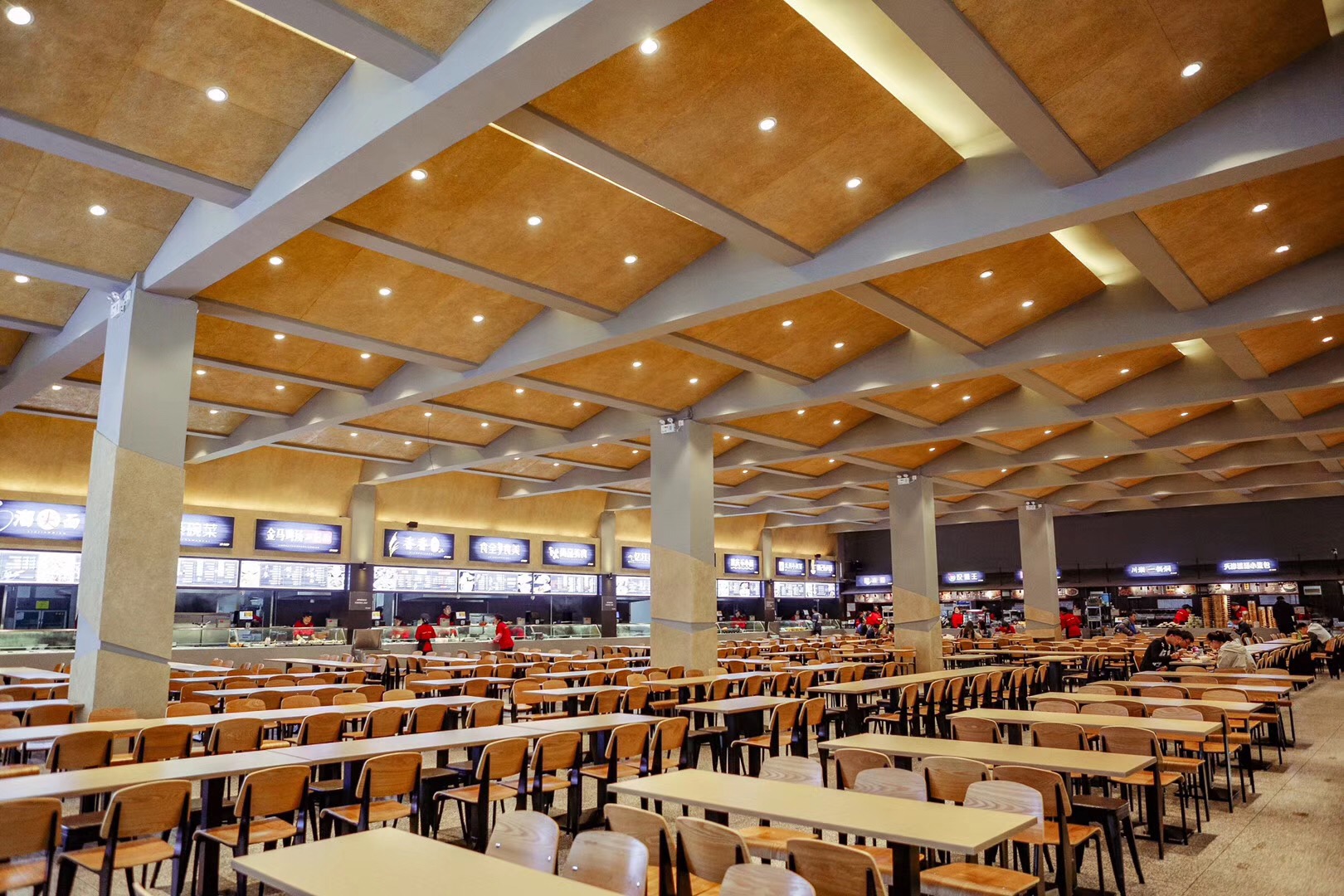
The right cafeteria tables can significantly improve the dining experience for students. Here's how:
Cafeteria tables are designed to promote social interaction among students. Lunchroom tables arranged in a communal setting encourage conversation and help build friendships. This social aspect of dining is essential for students' social development and can contribute to a positive school environment.
Tables arranged in circular or semi-circular formations can enhance visibility and communication among students, making it easier for them to engage in group conversations. This setup fosters an inclusive atmosphere where students feel more comfortable interacting with peers.
Furthermore, strategically placed tables can create natural gathering spots within the cafeteria, encouraging students to come together during meal times. These spaces can also be used for collaborative activities or informal meetings, extending their utility beyond just dining.
School cafeteria furniture, including lunchroom tables, needs to be durable and easy to maintain. Cafeteria tables are typically made from materials that are resistant to spills and stains, making them easy to clean and ideal for busy school environments. This ensures that the tables remain hygienic and presentable, even with daily use.
Materials such as laminate and stainless steel are not only easy to clean but also resistant to scratches and other forms of wear. This durability means that schools can maintain a neat and professional appearance in the cafeteria without constant upkeep.
Additionally, tables designed with minimal seams and joints prevent food particles from getting trapped, reducing the likelihood of bacteria accumulation. This feature is particularly important in maintaining a healthy dining environment for students.
A well-furnished cafeteria can create a welcoming atmosphere that students enjoy. Tables with vibrant colors and modern designs can make the dining area more appealing, encouraging students to spend time there and engage in social activities.
The aesthetic appeal of cafeteria tables can also influence students' attitudes towards meal times, making it a more anticipated part of their day. An inviting cafeteria can boost students' morale, contributing to a positive overall school experience.
Moreover, the use of themed or color-coordinated tables can tie in with school events or celebrations, adding a festive touch to the cafeteria and enhancing school spirit.
Efficient use of space is crucial in school cafeterias, and cafeteria tables are designed with this in mind.
Folding cafeteria tables and mobile cafeteria tables offer flexibility and convenience. These tables can be easily folded and stored when not in use, allowing the space to be used for other activities. Mobile cafeteria tables can be moved around effortlessly, providing versatile seating arrangements as needed.
The ability to quickly convert a dining area into a multi-purpose space is invaluable for schools. Folding tables can be stored compactly, freeing up space for events, activities, or additional seating when required.
Mobile tables equipped with lockable wheels offer stability when in use and ease of movement when reconfiguring the space. This feature is particularly useful for schools that need to adapt their cafeterias for different functions throughout the day.
For schools with limited space, small cafeteria tables and foldable cafeteria tables are excellent choices. These tables provide the necessary seating without taking up too much room, ensuring that even smaller lunchrooms can accommodate students comfortably.
Compact tables can be strategically placed to maximize available space, allowing for efficient traffic flow and easy access for students. This careful placement ensures that the dining area remains functional and accessible, even when space is at a premium.
Additionally, incorporating wall-mounted or stackable tables can further optimize space usage. These designs allow schools to maintain flexibility in their dining arrangements while conserving floor space.
Cafeteria tables that double as workstations or activity spaces provide added value for schools. By investing in multi-functional tables, schools can create environments that serve both dining and educational purposes, enhancing the utility of their spaces.
These tables can be used for after-school programs, group projects, or workshops, making them a cost-effective solution for schools looking to maximize their resources. The versatility of these designs ensures that the cafeteria remains a dynamic and functional part of the school environment.
Budget is always a consideration for schools, and cafeteria tables offer cost-effective solutions.
Investing in quality cafeteria tables means investing in furniture that will last. Most cafeteria tables are built to withstand the wear and tear of daily use, reducing the need for frequent replacements. This durability translates into long-term savings for schools.
Tables constructed with high-quality materials can endure the rigors of a busy school environment, minimizing the need for constant repairs or replacements. This longevity not only ensures value for money but also reduces the environmental impact associated with frequent furniture turnover.
Furthermore, many manufacturers offer warranties on their cafeteria tables, providing schools with added assurance of their investment. These warranties often cover potential defects or issues, ensuring that schools receive the maximum lifespan from their furniture.
There are cafeteria tables for sale to fit every budget. From basic designs to more elaborate setups, schools can choose tables that meet their financial constraints without compromising on quality or functionality.
Schools can explore bulk purchasing options or seek out discounts from suppliers, further enhancing their purchasing power. Many suppliers offer packages that include multiple tables and seating options, providing comprehensive solutions at competitive prices.
Additionally, schools can consider refurbished or second-hand tables as a cost-effective alternative. These options often provide the same functionality and durability as new tables but at a fraction of the cost.
Opting for cafeteria tables that are sustainably sourced or made from recycled materials can offer long-term cost benefits. Sustainable furniture often consumes fewer resources during production, and its durability reduces waste over time.
Schools can also benefit from energy-efficient manufacturing processes, as many suppliers are now adopting green technologies. These practices not only reduce the carbon footprint but also often result in cost savings, which can be passed on to the consumer.
By choosing environmentally friendly options, schools can demonstrate a commitment to sustainability, aligning with broader educational goals and values.
Cafeteria tables can be customized to suit the aesthetics of the school.
Schools can choose from a variety of colors and finishes to match their cafeteria's decor. Whether you prefer bright, vibrant colors to create a lively atmosphere or more neutral tones for a calm environment, there's a cafeteria table design that fits your vision.
The choice of colors and finishes can significantly impact the mood and ambiance of the cafeteria. Bright colors can energize the space, while softer tones can create a relaxed and welcoming environment, catering to different student needs and preferences.
Additionally, the use of innovative finishes such as textured or patterned surfaces can add depth and interest to the dining area, enhancing its overall aesthetic appeal.
Customizing cafeteria tables with school colors or logos provides branding opportunities. This not only enhances school spirit but also creates a cohesive look throughout the school premises.
Branded tables can serve as a visual representation of the school's identity and values, fostering a sense of pride and belonging among students and staff. This cohesive branding can extend beyond the cafeteria to other areas, creating a unified and professional image for the school.
Moreover, schools can collaborate with local artists or students to create unique designs for their tables, adding a personal touch and showcasing talent within the school community.
Allowing students to have a say in the design or selection of cafeteria tables can personalize their dining experience. By involving them in the decision-making process, schools can create a space that reflects the preferences and needs of the student body.
This involvement can increase students' connection to the space, encouraging them to take pride in their dining area and promoting a sense of ownership and responsibility. Personalized dining environments can enhance student engagement and satisfaction, contributing to a more positive school experience overall.
Choosing the right cafeteria tables for schools involves considering factors like size, seating options, mobility, and aesthetics. Cafeteria tables not only serve a functional purpose but also contribute to a positive dining experience for students. By investing in versatile, durable, and aesthetically pleasing tables, schools can create an inviting and efficient dining environment that benefits both students and staff.
By understanding these benefits and carefully selecting cafeteria tables, schools can optimize their dining spaces and support the social and educational development of their students. Whether you need folding lunchroom tables or round cafeteria tables with stools, the right choice can make all the difference in creating a welcoming and functional school cafeteria.
For Solutions and information on how Zhongjing® Furniture can enhance your restaurant seating, explore our Customization services. Reach out to us at felix@nazj.com for tailored consultations.


