
Views: 0 Author: Site Editor Publish Time: 2026-07-08 Origin: Site


Sourcing furniture for high-traffic venues requires a strategic balance. Design teams want pieces looking stunning upon installation. Facility managers need them to withstand severe daily wear. You often struggle merging these high aesthetic expectations. Strict sanitation demands complicate procurement further. Moving past basic consumer-grade furniture is absolutely essential. High-turnover environments face complex compliance codes. They also carry significant maintenance overhead. Traditional seating materials frequently fail under these intense operational pressures.
This guide provides a highly transparent framework. We help you evaluate, shortlist, and secure resilient seating solutions. You will explore critical durability metrics and advanced material science. We also cover strategic supplier partnerships. Procurement teams can then confidently select the perfect faux leather seating. You will ensure long-term success for hospitality, corporate, and dining projects.
Commercial viability relies on standardized durability metrics (e.g., Wyzenbeek rub counts) and strict fire safety compliance, not just visual appeal.
The maintenance cost of faux leather is significantly lower than genuine leather, making it the preferred standard for high-turnover hospitality spaces.
Partnering with suppliers offering OEM customization and transparent commercial warranties reduces long-term replacement risks.
Requesting physical material swatches and sample frames is a mandatory step before finalizing bulk procurement.
Modern synthetics brilliantly replicate genuine leather. They offer a rich tactile experience. We call this the "effortless luxury" calculation. Guests enjoy the premium feel. Staff avoid intensive conditioning routines. Genuine hide requires regular oiling. It dries out and cracks under heavy use. Natural leather demands careful temperature control. Faux alternatives eliminate these demanding upkeep schedules. They deliver consistent beauty day after day. You gain the sophisticated look without the operational headaches.
Sanitation dictates furniture choices today. Post-pandemic climates require rigorous cleaning protocols. Porous natural materials absorb spills quickly. They harbor bacteria easily. High-grade faux leather provides a completely non-porous barrier. Liquids wipe away instantly. A high-quality restaurant dining chair must handle constant sanitizing. Synthetic covers resist degradation from aggressive wiping. They form the baseline requirement for safe hospitality operations. Facility managers prefer these surfaces for infectious disease control. You simply cannot achieve this sanitation level using natural hide.
You must balance aesthetic desires against practical realities. Synthetics bridge this gap perfectly. They mimic the grain and matte finish of premium hide. Yet, they perform like heavy-duty commercial vinyl. This combination ensures your venue looks upscale constantly. It prevents premature wear in busy dining rooms. You secure a pristine environment for every single guest.
Abrasion resistance acts as your primary performance indicator. The Wyzenbeek test measures this durability strictly. A machine rubs cotton duck fabric against the test material. It counts every single double rub. We define minimum thresholds based on expected venue traffic. Moderate commercial use requires at least 50,000 double rubs. Severe, high-traffic spaces demand 100,000+ double rubs. Never accept residential fabrics for commercial builds. They will fail incredibly fast.
Traffic Level | Minimum Double Rubs | Ideal Application Scenarios |
|---|---|---|
Moderate Commercial | 50,000 - 75,000 | Corporate breakrooms, private dining rooms, boutique hotels |
Heavy Commercial | 75,000 - 100,000 | Standard restaurants, bustling hotel lobbies, cafes |
Severe Commercial | 100,000+ | 24/7 diners, transit lounges, high-volume casinos |
Chemical and stain resistance matter equally. You must evaluate material reactions to cleaning agents. Standard commercial cleaners can destroy weak synthetics. Strict healthcare or food service venues require specific compliance. They often mandate bleach-cleanable synthetics. Manufacturers formulate these covers specifically for harsh chemicals. They resist color fading entirely. They maintain structural integrity over time. Always request chemical resistance testing documents.
Fire retardancy standards represent mandatory regulatory checkpoints. You must pass local municipal fire inspections. Look for CAL 117-2013 compliance domestically. European projects often require BS 5852 certification. These standards ensure foams and fabrics resist smoldering. A reliable commercial faux leather chair always carries proper fire tags. Missing certifications can halt your entire venue opening. Inspectors look for these tags immediately. Ensure your supplier embeds these certificates in the shipping manifests.
Base material composition dictates flexibility and breathability. Polyurethane (PU) and Polyvinyl Chloride (PVC) dominate the market entirely. They serve very different operational purposes. You must select the right polymer based on your specific venue needs.
Feature | Polyurethane (PU) | Polyvinyl Chloride (PVC/Vinyl) |
|---|---|---|
Texture & Feel | Softer, mimics real leather closely | Stiffer, slicker surface |
Breathability | High breathability, cooler to sit on | Low breathability, can retain heat |
Durability & Sanitation | Good, but vulnerable to harsh solvents | Excellent, highly resistant to bleach |
Best Use Case | Premium dining, executive corporate spaces | Hospitals, fast food, high-spill zones |
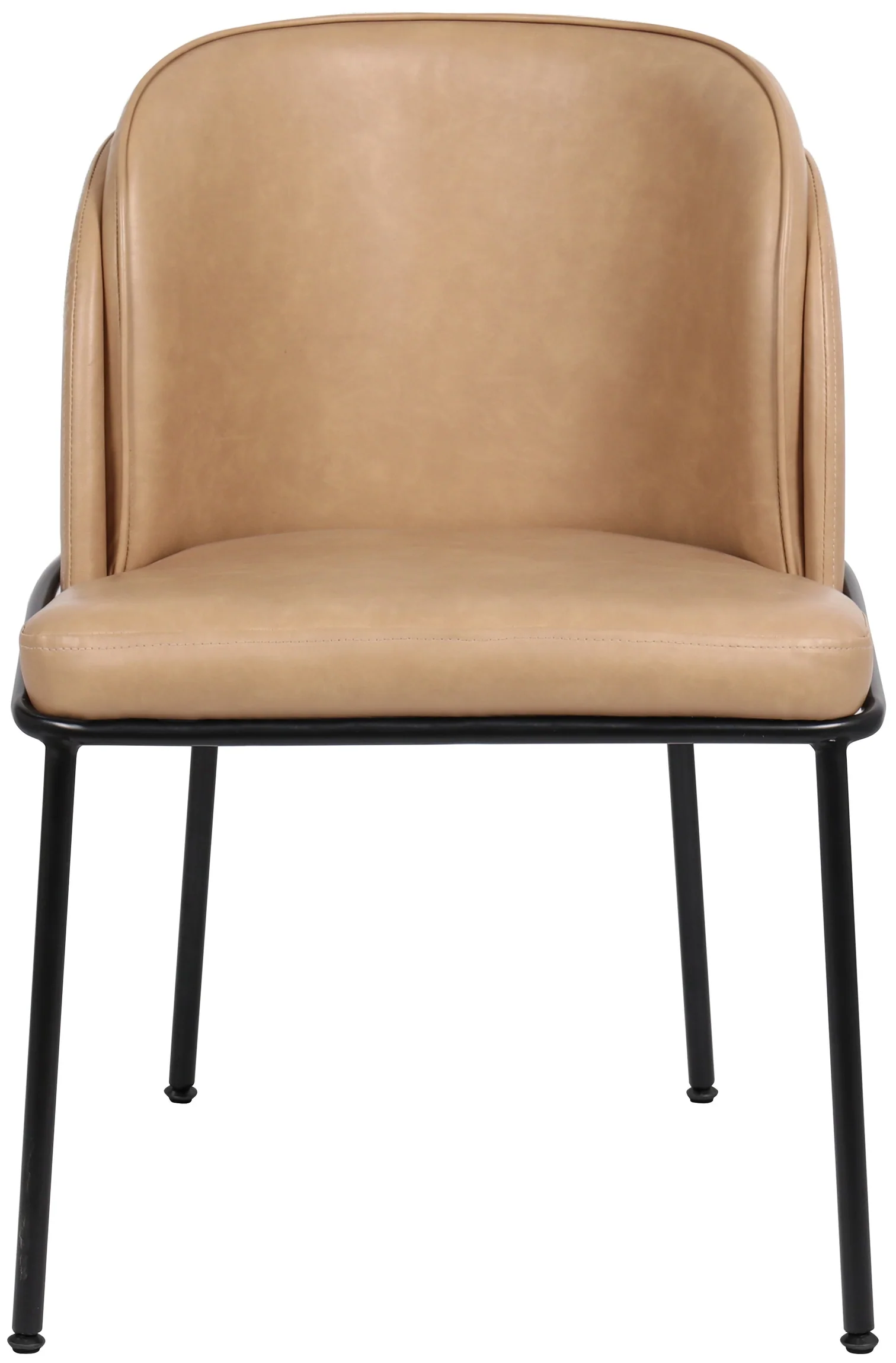
Brand consistency drives multi-location hospitality rollouts. Franchise owners demand exact visual matches. Natural hides vary wildly in color and texture. Faux leather allows for perfect structural replication. Dye lots remain highly consistent across massive production runs. You can match the exact shade across fifty different venues. This consistency elevates the overall brand perception. Customers experience identical atmospheres regardless of location.
Frame integration requires careful structural planning. You must pair faux leather weights appropriately. Commercial metal frames suit industrial or modern spaces perfectly. Heavyweight vinyls wrap these rigid frames well. Solid wood frames fit traditional or premium dining environments. They pair beautifully with softer, breathable PU materials. The upholstery weight must align with frame rigidity. Mismatched materials create awkward stretching over time.
Stitching integrity indicates overall construction quality visually. A heavily used upholstered dining chair faces immense stress daily. Diners constantly slide in and out. Seam slippage ruins poorly made furniture fast. Look for reinforced double stitching details. Nylon threads offer superior tensile strength. Quality stitching prevents the fabric from tearing at the seams. Inspect the corners closely during your prototype review.
Padding density changes how the upholstery sits. Soft foam causes the material to puddle. High-density commercial foam keeps the synthetic leather taut. It prevents wrinkles from forming after prolonged sitting. You want crisp lines defining the chair silhouette. Proper foam support ensures the fabric retains its engineered shape. This detail separates high-end commercial designs from cheap alternatives.
Assessing supplier capabilities mitigates major procurement risks. You must evaluate production capacity early. Ask about standard lead times immediately. Request transparent pricing tiers for bulk orders. Reliable wholesale partners provide clear production schedules. They communicate logistical delays instantly. They possess the infrastructure to handle large-scale demands. Vetting these partners requires a structured approach.
Verify factory certifications: Request ISO 9001 quality management certificates.
Review material sourcing: Confirm they source commercial-grade PU or PVC.
Audit production timelines: Ask for historical data on delivery punctuality.
Analyze packaging standards: Ensure they use reinforced cartons to prevent shipping damage.
Customization elevates standard interior designs significantly. Leveraging an OEM faux leather furniture partner offers immense value. You can alter standard dimensions easily. You might increase seat width for better comfort. You can specify high-resilience foam density. OEM partners match upholstery colors to specific architectural briefs. This flexibility solves complex interior design challenges. You get exactly what your space dictates.
Prototyping ensures absolute quality control. Buyers must demand physical samples always. Request structural prototypes before signing purchase orders. You need to verify foam resilience manually. Fabric strike-offs confirm color accuracy precisely. Venue lighting changes how colors appear drastically. A brilliant blue in a factory might look gray in a dim restaurant. Always test a sample faux leather dining chair on site.
Clear communication channels speed up the OEM process. Designate a single point of contact. This prevents specification mix-ups during revisions. Share your local fire compliance codes immediately. Good OEM partners will adjust their foam selection accordingly. They guide you away from problematic design choices. Their manufacturing experience becomes your strategic asset.
Deconstructing commercial warranties prevents costly surprises later. Residential and commercial warranties differ drastically. A residential warranty voids instantly in a restaurant setting. Standard commercial warranties must cover specific structural failures. Frame weld failures require immediate replacement. Severe foam collapse should trigger warranty support. Standard wear and tear remains excluded always. Understand exactly what constitutes abnormal failure.
Procurement contracts often hide dangerous red flags. Identifying B2B warranty exclusions is critical. Many manufacturers void coverage easily. Using unauthorized cleaning solvents represents a common trap. Alcohol-based cleaners might ruin specific PU covers. Ensure your housekeeping protocols match the warranty guidelines. Read the fine print carefully. Do not assume universal chemical resistance.
Post-delivery support guarantees long-term venue operations. Venue furniture sustains damage eventually. Evaluate the supplier’s track record here thoroughly. Can they provide replacement floor glides quickly? Do they offer exact color-match touch-up kits? Ask about securing replacement stock for future expansions. Reliable partners keep your venue looking pristine for years. They do not abandon you after delivery.
Supplier verification demands diligent background checks. Request client references from similar hospitality projects. Call these references directly. Ask about the fabric performance after two years. Inquire about how the supplier handled warranty claims. A trustworthy vendor resolves issues swiftly. They view your purchase as a long-term relationship. This verified trust protects your capital investment entirely.
Prioritize verified metrics: Base decisions on Wyzenbeek rub counts and proper fire compliance tags.
Match materials to environments: Choose breathable PU for premium dining or resilient PVC for high-spill hospitality zones.
Scrutinize warranty terms: Ensure the contract covers frame failures and matches your venue's cleaning protocols.
Test physically: Always demand structural prototypes and fabric strike-offs before confirming bulk orders.
Next Action: Contact your shortlisted suppliers today to request technical specification sheets and physical material swatches for evaluation.
A: Standard hospitality environments require fabrics rated for at least 50,000 Wyzenbeek double rubs. For severe use applications, such as 24/7 diners, transit hubs, or high-volume casinos, you should specify materials exceeding 100,000 double rubs to ensure longevity.
A: Low-grade residential PU often peels. However, commercial-grade vinyl or high-performance PU strongly resists cracking. You must clean it using approved, non-abrasive solvents. Following the manufacturer's maintenance guidelines prevents the plasticizers from drying out, ensuring the material remains supple.
A: Yes, but only if specified. Many commercial vinyls are formulated specifically to be bleach-cleanable. You must follow strict dilution ratios (typically 1:10 bleach to water) to maintain warranty validity. Always rinse the surface with clean water afterward.
A: PU (Polyurethane) is softer, highly breathable, and closely mimics the feel of real leather, making it ideal for premium dining. PVC (Polyvinyl Chloride) is highly durable, stiffer, and less porous. It offers superior performance for extreme sanitation and high-spill needs.


