
Views: 0 Author: Site Editor Publish Time: 2026-07-15 Origin: Site


High-traffic multi-unit restaurants require seating balancing structural resilience against brand aesthetics. Residential-grade furniture fails rapidly under commercial volume. Franchise operators and procurement teams face strict decisions when evaluating new floor plans. You must evaluate upfront unit cost, maintenance overhead, and ongoing replacement cycles. Relying on flimsy residential materials leads directly to frequent breakages. Investing in robust commercial frames preserves your capital over time.
This guide breaks down the essential commercial specifications required for evaluating seating. We will help you shortlist and deploy iron seating across multiple restaurant locations. You can do this without compromising the guest experience. You will discover exactly how to differentiate reliable factory options from weak domestic alternatives. We also cover practical steps to mitigate common user complaints regarding acoustics and comfort. Let us dive into the core requirements for upgrading your hospitality space seamlessly.
True commercial iron seating requires continuous welding and a minimum 400–500 lb weight capacity.
Powder-coated finishes are non-negotiable for mitigating rust and chipping in high-turnover environments.
Guest complaints regarding noise and temperature can be solved through strategic glide selection and hybrid material designs (e.g., wood seats on metal frames).
Partnering with suppliers capable of producing OEM iron furniture ensures design consistency and scalable pricing across franchise rollouts.
Constant daily usage exposes seating to heavy impact, chemical spills, and significant dynamic loads. Quick Service Restaurants handle hundreds of guests every single day. Customers constantly drag seats across rough floors. They occasionally lean back on two legs. This behavior stresses the rear joints immensely. Standard residential seating simply cannot survive this level of daily abuse. Weak joints snap. Cheap paint chips easily under pressure. Ultimately, broken furniture creates severe safety liabilities for owners.
You must evaluate lifespan expectations realistically. Cheap residential chairs usually fail within their first two years. Their frames warp under sustained pressure. In contrast, a commercially rated fast food chain chair provides five to ten years of reliable service. They absorb daily physical shock seamlessly. High-quality seating uses reinforced brackets to distribute weight evenly. This structural integrity prevents sudden collapses during peak dining hours.
Brand perception relies heavily on interior aesthetics. Visibly worn furniture degrades your brand image instantly. When guests see chipped paint or wobbly legs, they subconsciously associate those flaws with poor kitchen hygiene. Maintaining pristine dining rooms encourages repeat business. Sturdy frames signal quality and care to every visiting customer. High-traffic environments demand seating built specifically for rigorous public use.
Structural integrity serves as the foundation for any reliable seating. You must assess the metal gauge before purchasing. Commercial environments demand thicker steel tubing. Look for 16-gauge or 18-gauge steel frames. Lower gauge numbers indicate thicker, stronger metal. Manufacturers must utilize continuous, 360-degree welds at all crucial joints. Cheap spot-welding snaps easily under lateral pressure. Continuous welds fuse the metal pieces entirely. This method creates a permanent bond capable of handling extreme stress.
Finish and coating determine the visual longevity of your investment. You should strictly evaluate powder coating versus traditional liquid paint. Liquid paint sits on the metal surface and chips rapidly. Powder coating is electrostatically applied. Technicians then cure the frames under intense heat. This process creates a hard shell finish. It resists scratching effectively. It also withstands harsh chemical damage caused by industrial cleaning agents.
Load bearing standards matter immensely for public safety. Every reliable iron dining chair must carry a verified commercial weight rating. BIFMA standards provide excellent testing frameworks for the industry. A proper chair typically exceeds a 500-lb static load capacity. Testing facilities drop heavy weights onto the seats. They also pull the backrests backward mechanically. Passing these tests ensures structural longevity and protects your patrons.
Specification Feature | Commercial Grade Standard | Residential Grade Standard |
|---|---|---|
Welding Method | Continuous 360-degree TIG/MIG | Basic spot-welding |
Steel Thickness | 16-gauge to 18-gauge steel | 20-gauge or thinner aluminum |
Surface Finish | Heat-cured powder coating | Standard liquid spray paint |
Weight Capacity | Tested above 500 lbs (BIFMA) | Typically rated for 200-250 lbs |
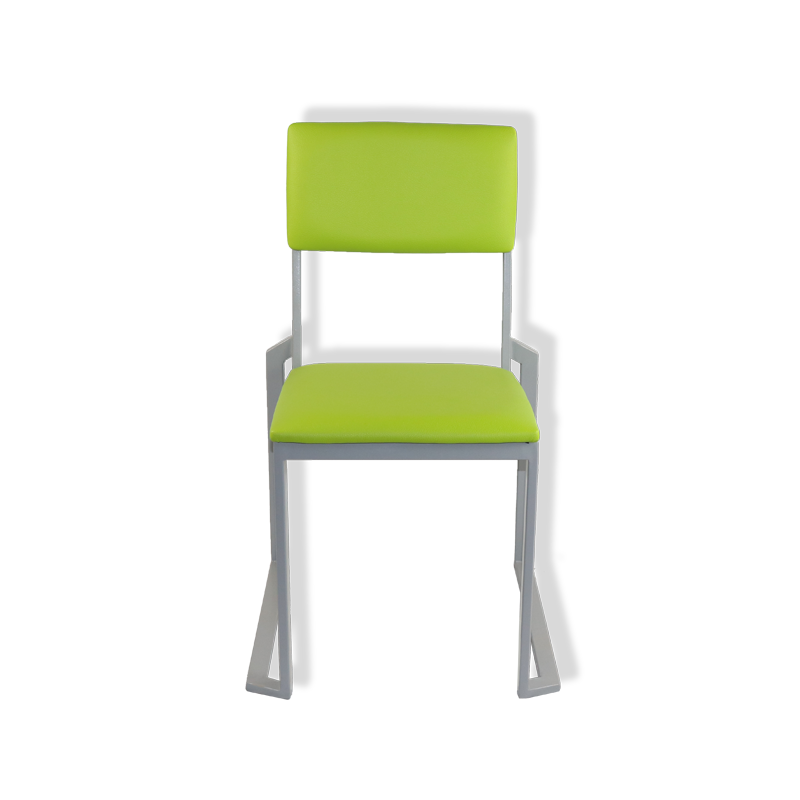
Acoustic management plays a huge role in guest satisfaction. Raw metal scraping against hard floors generates severe noise pollution. Loud dining rooms frustrate guests and ruin conversations. You can solve this issue proactively. Specify commercial-grade floor glides for every leg. Nylon glides work perfectly for carpeted areas. Felt-swivel glides protect delicate hardwood floors. Rubber materials grip tile surfaces securely. These simple additions reduce decibel levels drastically and protect expensive flooring investments.
Unfinished metal surfaces transfer temperature rapidly. This creates a negative initial seating experience. Guests hate sitting on freezing chairs during winter months. They equally dislike hot metal during summer. You can easily counteract this reality. Specify hybrid models incorporating different materials. Upholstered vinyl cushions offer immediate warmth. Solid wood seating pads provide a beautiful, temperature-neutral alternative. These hybrid designs combine structural strength with immediate guest comfort seamlessly.
You can use the rigidity of a durable metal chair strategically. Ergonomics directly impact customer dwell time. Pitched iron backs without cushions feel firm. They naturally encourage faster table turnover. Quick service operators prefer this rapid movement. Conversely, padded variations support longer seating durations. Casual dining venues rely on dessert and drink sales. Padded seats keep guests comfortable longer, driving up average check sizes effortlessly.
Avoid generic plastic glides: Cheap plastic wears down in weeks and scratches floors.
Match glides to flooring: Never use felt on rough concrete. Never use hard nylon on soft hardwood.
Consider backrest pitch: A 95-degree angle promotes upright eating. A 105-degree angle encourages relaxed lounging.
Select cleanable upholstery: Commercial vinyl wipes down easily compared to woven fabrics.
Space optimization dictates successful restaurant operations. Venues often require highly dynamic floor plans. Managers constantly push tables together for large parties. They also move furniture outside for temporary patio events. For these reasons, you should prioritize stackable frames. Stacking features save massive amounts of storage space. Employees can clear a dining room in minutes. This flexibility makes floor mopping and deep cleaning much easier after closing hours.
Stacking requires specific physical protections. Metal scraping ruins beautiful powder coats instantly. You must verify the inclusion of integrated rubber bumper guards. Manufacturers place these tiny rubber stoppers beneath the seats. They prevent metal-on-metal scratching when chairs are nested vertically. Every reliable iron restaurant chair includes these hidden protective elements. Without them, your brand-new furniture will look terribly scratched within a week.
Maintenance protocols keep your inventory looking pristine. You must establish Standard Operating Procedures for your floor staff. Outline approved non-abrasive cleaning solvents clearly. Bleach and harsh abrasives degrade finishes prematurely. Mild soap solutions work best for daily wipe-downs. Furthermore, establish a quarterly schedule for inspecting feet. Replacing worn glides proactively saves your expensive floor tiles from permanent gouging.
Daily Protocol: Wipe down all frames using mild soapy water and a soft microfiber cloth.
Weekly Protocol: Inspect seat attachments to ensure screws remain tightly fastened under the base.
Monthly Protocol: Check the rubber stacking bumpers to ensure none have fallen off during daily movement.
Quarterly Protocol: Flip every unit upside down to visually inspect the condition of floor glides. Replace any worn pieces immediately.
Scalability demands strict visual consistency. When outfitting multiple locations simultaneously, color-matching becomes paramount. A blue chair in Texas must match the blue chairs in Florida exactly. Utilizing established OEM iron furniture manufacturers guarantees success here. They use standardized RAL color codes. They also maintain uniform build quality across massive production batches. This consistency ensures your franchise brand standards remain perfectly intact nationwide.
Supply chain realities dictate your opening timelines. You must factor in Minimum Order Quantities during planning. MOQs often start around one hundred units. Prototype sampling timelines take several weeks. Ocean freight lead times can stretch for months. You must plan Q2 and Q3 restaurant openings carefully. Always build a four-week buffer into your delivery schedules. Port delays happen frequently. Proper planning prevents you from delaying your grand opening events.
Warranty traps catch many inexperienced procurement teams off guard. You must scrutinize the supplier's fine print thoroughly. Separate the structural warranty from the finish warranty. Structural warranties cover welded joints and often last five years. Finish warranties cover the powder coating and often expire after just one year. Verify this distinction early. Ensure wear-and-tear parts remain easily sourced directly from the manufacturer.
Selecting reliable seating requires moving past simple aesthetics. Procurement teams must interrogate welding standards, metal thickness, and finish durability closely. Do not ignore the importance of acoustic mitigation and glide selection. Implementing stackable designs optimizes your valuable floor space. Prioritizing continuous welds ensures safety for every guest.
As a next step, request a single physical sample before committing to a multi-unit purchase order. Subject this sample to rigorous in-house testing. Check the weld smoothness by running your hand over the joints. Evaluate the glide quality on your actual flooring material. Finally, verify the true weight capacity to guarantee long-term operational success.
A: Only if they undergo a specific multi-step anti-rust treatment (like e-coating or galvanization) prior to powder coating. Standard indoor iron chairs will rust if exposed to moisture.
A: In a high-traffic restaurant, inspect glides quarterly. Replace them every 6–12 months depending on the flooring material (tile vs. LVT) to prevent floor gouging and noise.
A: Domestic stock generally ships in 1–2 weeks. Custom OEM production runs typically require 8–12 weeks, including manufacturing and freight transit, depending on the supplier's location.


