
Views: 0 Author: Site Editor Publish Time: 2026-06-18 Origin: Site


The modern educational environment has evolved significantly over the past few decades, transitioning from rigid, purely functional spaces into dynamic, multi-purpose hubs designed to foster collaboration, socialization, and well-being. At the very heart of this transformation is the school cafeteria. No longer just a room where students quickly consume their meals, the cafeteria is now recognized as a vital social space that requires careful planning, acoustic management, and most importantly, the right seating solutions. Selecting the appropriate school cafeteria furniture is a critical decision for facility managers, principals, and school district planners. It is an investment that impacts daily operations, student safety, and the overall school climate.
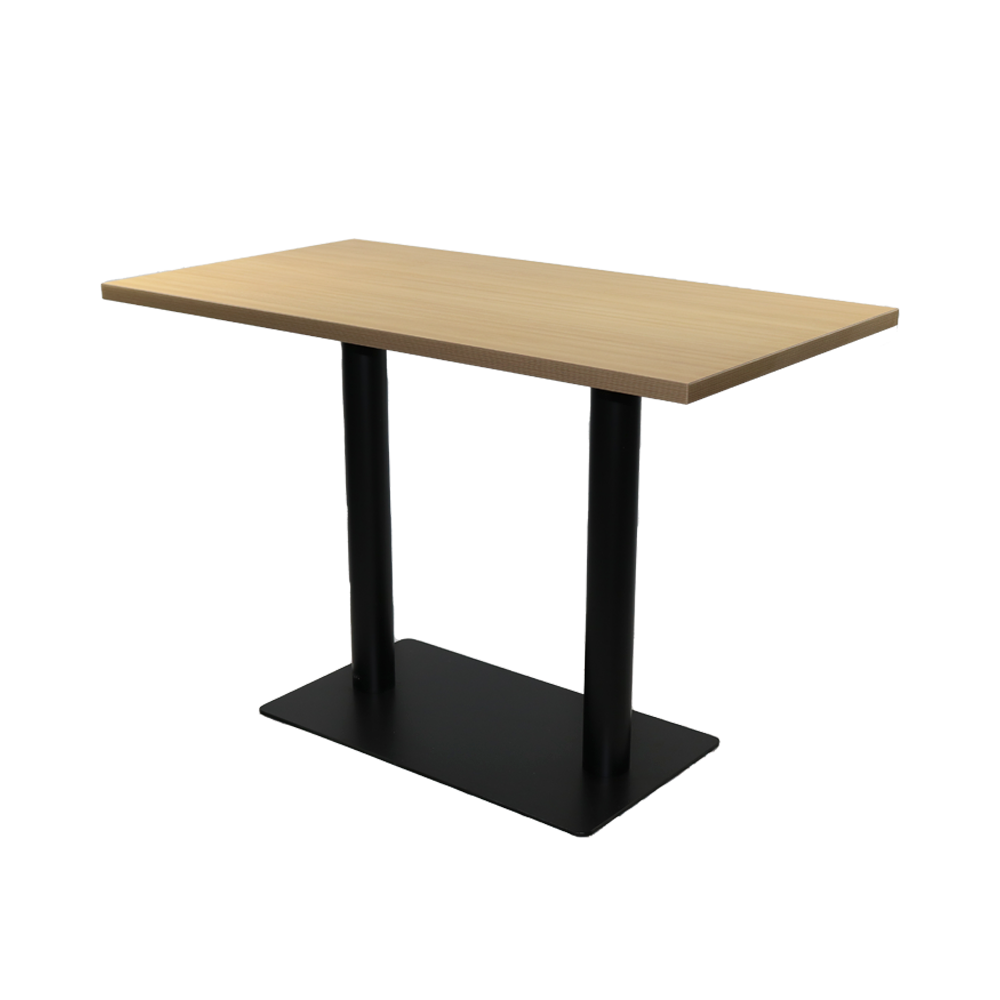
Durable and ergonomic seating solutions designed for modern student dining areas.
When administrators look to upgrade or build new dining facilities, the focus naturally shifts toward comprehensive systems that offer longevity, ease of maintenance, and aesthetic appeal. The physical environment plays a profound role in a student's daily experience, and the furniture they interact with during their breaks is no exception. By integrating high-quality seating arrangements, schools can effectively reduce behavioral issues, improve dining efficiency, and create an inclusive environment for all students. Throughout this comprehensive guide, we will explore the multifaceted world of educational dining setups, diving deep into the specifications, planning strategies, and long-term benefits of implementing premium seating solutions.
The decision to invest in high-quality School Cafeteria Table and Chair Sets goes far beyond mere aesthetics. It is a strategic move that affects the operational efficiency of the school's custodial staff, the financial health of the district's maintenance budget, and the psychological well-being of the student body. In many schools, the cafeteria is the largest gathering space on campus. It hosts not only daily meals but also assemblies, parent-teacher meetings, after-school programs, and community events. Therefore, the furniture within this space must be exceptionally versatile and robust.
Environmental psychology tells us that the spaces we inhabit significantly influence our mood and behavior. For students, the cafeteria can be a chaotic and overwhelming environment. High noise levels, crowded spaces, and uncomfortable seating can lead to anxiety and a rushed dining experience, which negatively impacts digestion and readiness to learn in the subsequent classes. Well-designed School Cafeteria Table and Chair Sets can mitigate these issues. By providing designated, comfortable seating, students feel a sense of order and security. The use of specific colors in the furniture can also play a role; for instance, blues and greens tend to have a calming effect, while warm colors like orange and yellow can stimulate appetite and social interaction. When students are provided with an environment that feels respected and well-maintained, they are more likely to exhibit positive behavior and treat the space with respect.
The cafeteria is the primary venue for unstructured social interaction during the school day. It is where friendships are forged, conflicts are navigated, and social skills are developed. The configuration of School Cafeteria Table and Chair Sets directly influences how students interact. Traditional long, rectangular tables often limit conversation to immediate neighbors, creating a "mess hall" dynamic. Conversely, incorporating a mix of round, square, and booth-style seating encourages smaller, more intimate group conversations, fostering stronger peer relationships. By carefully selecting the layout of the furniture, schools can create micro-environments within the larger cafeteria space, catering to both extroverted students who thrive in larger groups and introverted students who prefer quieter, smaller settings.
Not all educational furniture is created equal. When evaluating different options, procurement officers must look past the initial price tag and scrutinize the engineering, materials, and design features of the furniture. The daily wear and tear inflicted by hundreds or thousands of students requires industrial-grade durability combined with user-friendly features.
The cornerstone of any reliable educational furniture is its material composition. The tabletops of School Cafeteria Table and Chair Sets are typically subjected to spills, impacts, scratches, and rigorous cleaning chemicals. Therefore, high-pressure laminate (HPL) is the industry standard for tabletop surfaces. HPL is incredibly resistant to moisture and abrasion. Beneath the laminate, the core material is equally important. High-density particleboard or medium-density fiberboard (MDF) provides a solid, warp-resistant foundation. Furthermore, the edges of the tables must be protected. Polyurethane edge banding, often seamlessly molded to the table core, prevents moisture from seeping in and stops students from picking at the edges, which is a common cause of premature furniture failure.
The frames of School Cafeteria Table and Chair Sets must be equally robust. Heavy-gauge steel (typically 14-gauge or 16-gauge) is necessary to support the weight of the tables and the students. Powder-coated finishes on the steel frames are highly recommended, as they resist chipping, scratching, and rusting far better than standard paint. For mobile units, the quality of the casters (wheels) is paramount. Non-marring, heavy-duty casters with reliable locking mechanisms ensure that the tables can be moved easily by staff but remain firmly in place while in use by students.
Ergonomics is often overlooked in cafeteria settings, yet it is crucial for student comfort and posture. School Cafeteria Table and Chair Sets must be appropriately sized for the age group they serve. Elementary school students require lower seat heights (typically 12 to 14 inches) and correspondingly lower table heights (around 24 to 26 inches). Middle and high school students require standard adult dimensions (18-inch seat heights and 29 to 30-inch table heights). Providing improperly sized furniture can lead to discomfort, fidgeting, and poor posture. Additionally, the design of the chair seats and backs should offer adequate lumbar support. Contoured plastic or composite seats are preferred as they conform to the body while remaining easy to clean and resistant to vandalism.
Safety is the non-negotiable priority in any school environment. School Cafeteria Table and Chair Sets, particularly mobile folding models, must adhere to strict safety standards. One of the primary concerns with folding tables is the risk of tipping or collapsing. High-quality sets feature torsion bar systems or pneumatic cylinders that assist in the lifting and folding process, ensuring that the tables open and close smoothly without slamming. Safety locks are essential to keep the tables securely in the open position during use and safely locked in the folded position during transport and storage. Furthermore, the design should eliminate pinch points where fingers could be caught during the folding process. Fire retardant materials and non-toxic finishes are also critical safety considerations that must meet local and national building and fire codes.
Procuring the best furniture is only half the battle; how that furniture is deployed within the architectural space dictates its ultimate success. Effective space planning ensures smooth traffic flow, maximizes seating capacity, and facilitates easy supervision by staff.
School populations are frequently growing faster than facility expansions can accommodate. Therefore, maximizing the seating capacity of existing dining areas is a common challenge. This is where strategic layout planning utilizing versatile student dining furniture becomes essential. Mobile folding tables with attached seating are highly efficient in terms of space utilization. Because the seats are integrated into the table frame, there is no need to account for the extra space required for students to push chairs in and out. This fixed footprint allows planners to calculate exact capacities and create highly organized, grid-like layouts. When determining capacity, it is crucial to leave adequate aisle space for students carrying trays, for wheelchair accessibility, and for staff supervision and emergency egress. The standard recommendation is to maintain at least 36 to 48 inches of clearance between table rows.
As mentioned earlier, modern cafeterias are multi-purpose spaces. The layout of School Cafeteria Table and Chair Sets should reflect this versatility. Instead of a monolithic arrangement of identical tables, innovative schools are creating distinct zones within the cafeteria. A central zone might feature high-density rectangular folding tables for rapid meal consumption. A perimeter zone could utilize high-top tables and stools for older students who prefer a café-style environment. Quiet zones can be established using booth seating with high acoustic backs to dampen noise. By utilizing a diverse array of School Cafeteria Table and Chair Sets, administrators can transform a massive, intimidating room into a series of welcoming, functional micro-spaces that serve different needs throughout the school day.
To ensure a strong return on investment, schools must implement rigorous maintenance protocols. Even the most durable School Cafeteria Table and Chair Sets require regular care to extend their lifespan and maintain a hygienic environment for the students.
The daily maintenance of School Cafeteria Table and Chair Sets primarily revolves around sanitation. After each lunch period, tables and seats must be wiped down to remove food debris and spills. It is recommended to use mild, non-abrasive cleaners and sanitizers that are effective against bacteria and viruses but gentle enough not to degrade the laminate or plastic surfaces over time. Custodial staff should avoid using harsh chemicals like bleach or ammonia-based products on high-pressure laminates, as these can cause discoloration and break down the protective sealants. Furthermore, when the tables are folded up for floor cleaning, staff should take the opportunity to quickly inspect the undersides for stuck gum or hidden debris.
Beyond daily cleaning, a comprehensive long-term maintenance schedule is vital for the longevity of School Cafeteria Table and Chair Sets. On a monthly or quarterly basis, maintenance personnel should conduct thorough mechanical inspections. This includes checking all nuts, bolts, and fasteners to ensure they are tight, as the constant movement of students can cause hardware to loosen over time. The folding mechanisms—whether torsion bars or gas struts—should be inspected for smooth operation and lubricated if necessary according to the manufacturer's specifications. Casters should be cleaned of hair, string, and floor wax buildup to ensure they roll freely, preventing drag that could damage both the wheels and the cafeteria flooring. Identifying and replacing a worn caster or a missing bolt early can prevent catastrophic failure of the entire table unit down the line.
Budget constraints are a reality for nearly every educational institution. When allocating funds for facility upgrades, it can be tempting to choose the lowest-cost option available. However, when it comes to School Cafeteria Table and Chair Sets, taking a Total Cost of Ownership (TCO) approach is essential for long-term financial responsibility.
The initial purchase price of premium School Cafeteria Table and Chair Sets will undoubtedly be higher than that of budget alternatives. However, the lifespan of commercial-grade educational furniture can easily exceed 15 to 20 years, whereas cheaper alternatives may begin to fail, warp, or break within 3 to 5 years. When factoring in the replacement costs, the labor costs associated with removing broken furniture and assembling new units, and the potential safety liabilities of failing equipment, the premium option almost always proves to be more cost-effective. Furthermore, high-quality School Cafeteria Table and Chair Sets often come with extensive warranties—sometimes ranging from 10 to 15 years—providing peace of mind and protecting the school's investment against manufacturing defects. Administrators should work closely with reputable manufacturers to understand the lifecycle costs and secure furniture that offers the best value over a decade or more of intense daily use.
The design and manufacturing of educational furniture are constantly evolving, driven by changes in pedagogical philosophies, technological advancements, and a growing emphasis on environmental sustainability. Staying abreast of these trends helps schools make forward-looking purchasing decisions.
Environmental consciousness is becoming a major factor in school procurement. Manufacturers of School Cafeteria Table and Chair Sets are increasingly utilizing recycled materials in their products. This includes using recycled steel for frames, recycled plastics for seating components, and sustainably sourced wood products for table cores. Additionally, schools are looking for furniture that is GREENGUARD certified, meaning it emits low levels of volatile organic compounds (VOCs), thereby contributing to better indoor air quality. At the end of the furniture's lifecycle, the ability to disassemble and recycle the components is also becoming a key selling point for eco-conscious school districts.
As schools implement 1-to-1 device programs (where every student has a tablet or laptop), the cafeteria is increasingly used as a secondary study hall or collaborative workspace outside of dining hours. Consequently, we are beginning to see the integration of technology into School Cafeteria Table and Chair Sets. While more common in higher education, K-12 environments are starting to adopt tables with built-in power outlets and USB charging ports. This allows students to charge their devices while they eat or work on group projects. Furthermore, cable management systems are being integrated into the table frames to keep cords organized and prevent tripping hazards, seamlessly blending dining functionality with digital connectivity.
To further assist facility planners and school administrators, we have compiled a list of the most frequently asked questions regarding the selection and implementation of cafeteria seating solutions.
Standard dimensions vary based on the age group. For elementary schools, table heights are typically 25-27 inches with seat heights of 14-15 inches. For middle and high schools, standard adult dimensions apply: table heights of 29-30 inches and seat heights of 17-18 inches. In terms of length, mobile folding tables generally range from 8 feet to 12 feet long, accommodating anywhere from 8 to 16 students per unit depending on the configuration.
Ensuring compliance with the Americans with Disabilities Act (ADA) is mandatory. ADA-compliant School Cafeteria Table and Chair Sets must provide a clear floor space for wheelchair access, typically requiring a surface height of 28 to 34 inches and a minimum knee clearance of 27 inches high, 30 inches wide, and 19 inches deep. Many manufacturers offer specific ADA-compliant models where seats are removed at the ends or sides of the table to allow a wheelchair to roll under comfortably. It is generally recommended that at least 5% of the seating in a dining area be ADA accessible.
For high-traffic K-12 environments, attached seats (often found on mobile folding tables) are generally preferred. They maintain a neat and orderly appearance, prevent chairs from scraping the floors or blocking aisles, and significantly reduce the time it takes custodians to clean the floor, as they do not have to move hundreds of individual chairs. Loose chairs are typically reserved for specific zones, such as senior lounges or café-style areas, where a more relaxed, flexible aesthetic is desired.
To ensure safe passage and compliance with fire codes, a minimum of 36 inches of clearance should be maintained between the backs of the seats when students are seated. However, for main aisles where students will be walking with food trays, a wider clearance of 48 to 60 inches is highly recommended to prevent spills and congestion.
In conclusion, the selection of cafeteria furniture is a foundational element in creating a successful, safe, and welcoming school environment. Moving away from outdated, uncomfortable setups and investing in modern, high-quality seating solutions yields dividends that extend far beyond the lunch hour. By carefully considering factors such as material durability, ergonomic design, space optimization, and long-term maintenance, school administrators can transform their dining halls into vibrant hubs of student life.
To summarize, the core advantages of investing in premium School Cafeteria Table and Chair Sets include:
Exceptional Durability and Longevity: Built with heavy-gauge steel frames, high-pressure laminates, and tamper-resistant edge banding, these sets are engineered to withstand decades of rigorous daily use, ultimately lowering the total cost of ownership.
Enhanced Student Safety: Featuring advanced folding mechanisms, secure locking systems, anti-tip designs, and non-toxic materials, premium sets minimize the risk of accidents and ensure compliance with strict school safety regulations.
Optimized Space Utilization: Mobile folding designs with integrated seating allow for maximum student capacity while maintaining clear, safe aisles. They also enable rapid reconfiguration of the room for assemblies, testing, or community events.
Improved Custodial Efficiency: Attached seating and smooth-rolling casters drastically reduce the time and physical strain required for custodial staff to clean the cafeteria floors, leading to significant savings in labor costs.
Positive Psychological and Social Impact: Ergonomically correct sizing and thoughtful layout configurations promote comfort, reduce dining anxiety, and encourage positive social interactions, contributing to a healthier overall school climate.
Inclusive Design: With available ADA-compliant configurations, premium furniture systems ensure that all students, regardless of physical ability, can dine comfortably and equitably with their peers.
Ultimately, School Cafeteria Table and Chair Sets are not just pieces of furniture; they are essential tools that support the daily operational success of an educational facility and the holistic well-being of its students. By prioritizing quality, safety, and functional design, schools can create dining environments that students respect, enjoy, and thrive in for generations to come.


